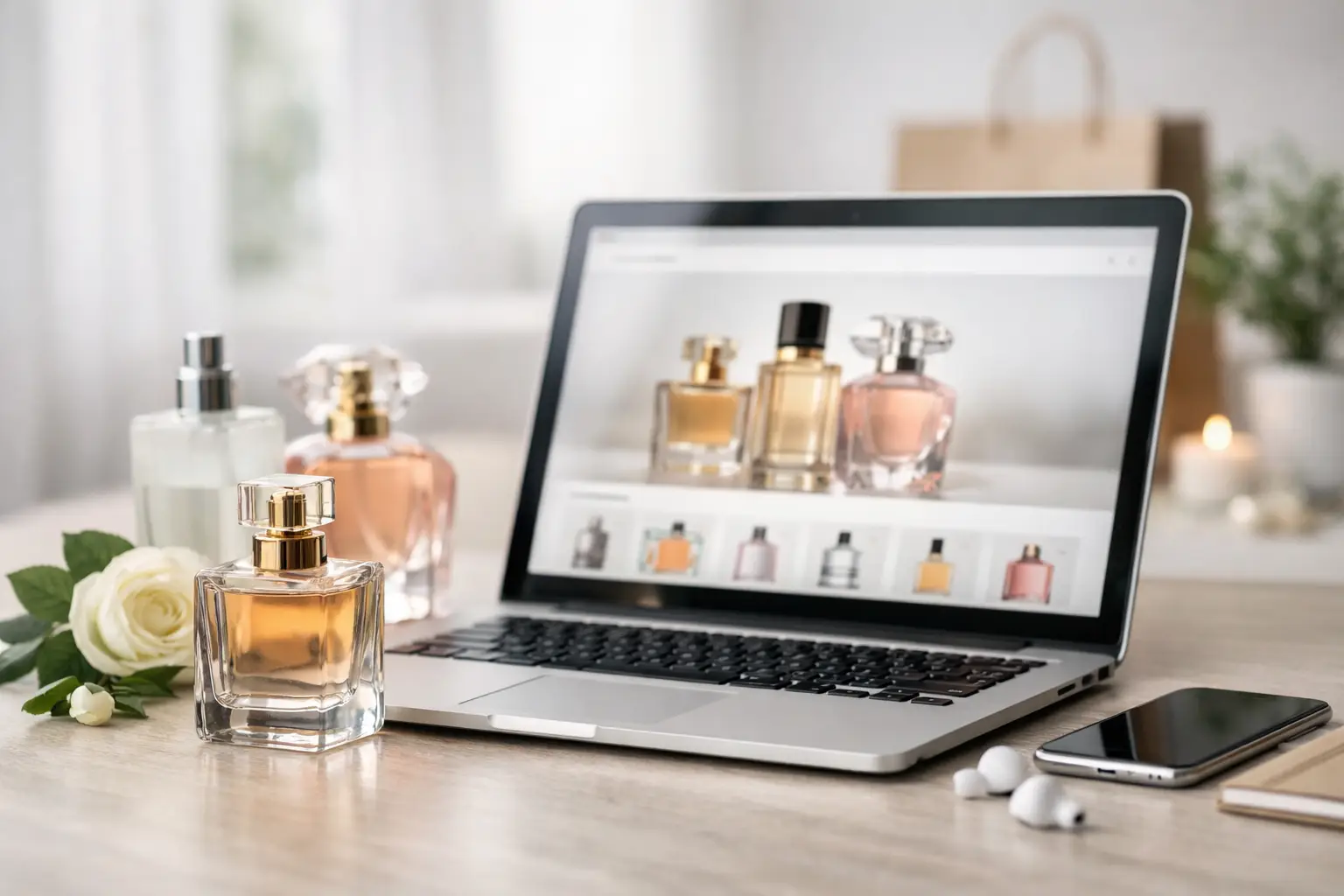
A £100 perfume that once felt like a considered treat now often feels like an indulgence too far. That shift sits at the heart of today’s online fragrance shopping trends, where British buyers are becoming more selective, more informed and far less willing to pay prestige prices simply for a familiar name on the bottle.
Fragrance is still emotional. It is still personal. But the way people shop for it has changed quickly. The modern customer wants the polish of luxury, the reassurance of recognisable scent profiles and the ease of buying from home without second-guessing every choice. For brands selling fragrance online, that means elegance alone is no longer enough. The experience has to feel clear, trustworthy and worth the spend.
What online fragrance shopping trends are really showing
The most important change is not that more people buy perfume online. That part is already established. What matters now is how they buy, and what convinces them to complete a purchase.
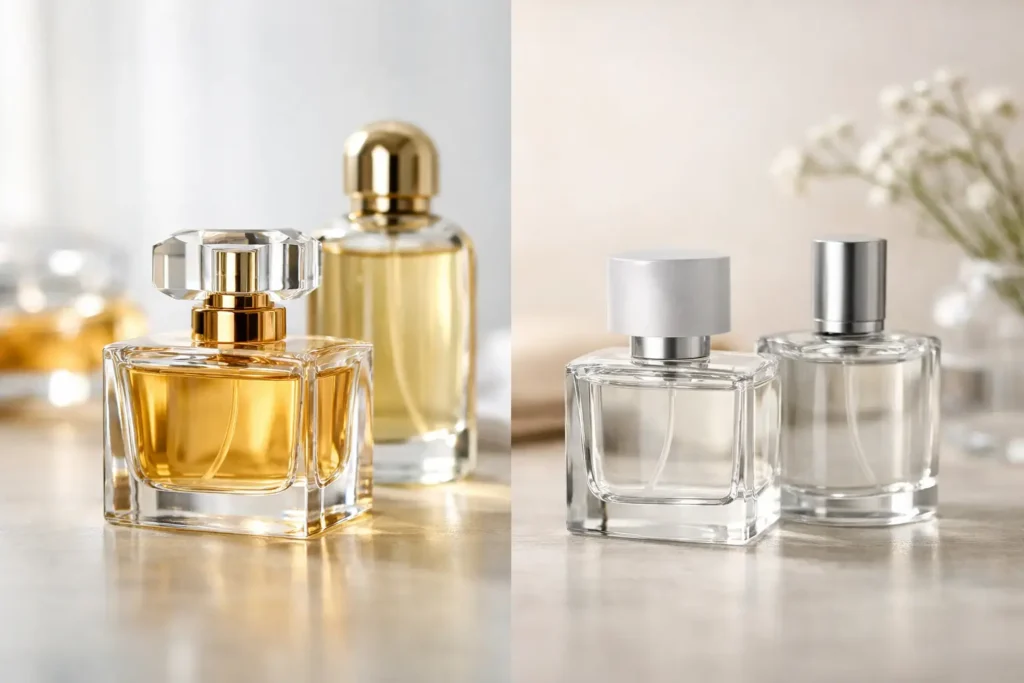
Price sensitivity has sharpened. Many shoppers still want rich, refined fragrances with the presence of designer and niche favourites, but they are no longer assuming that quality must come with a luxury-house price tag. Rising living costs have made people reassess what they are paying for. If two scents deliver a similarly elegant impression, the one that feels more accessible often wins.
That does not mean customers are chasing the cheapest option. In fragrance, low price without confidence can feel risky. People still want presentation, polish and a sense of taste. They want value, but value dressed properly. This is why affordable luxury has become such a strong position online. It answers a very current mood – buy beautifully, spend wisely.
The second major shift is a demand for easier decision-making. In a physical shop, a customer can spray a blotter, test on skin and ask a sales assistant for direction. Online, the product page has to do that work. Buyers are drawn to retailers that remove friction through clear scent positioning, concise descriptions and familiar reference points. If someone already knows they enjoy the warmth of a smoky amber, a soft floral musk or a smooth vanilla oud, they want to identify that match within seconds.
Familiarity matters more than endless choice
There was a period when online retail often equated abundance with appeal. More stock, more pages, more options. In fragrance, that approach can backfire. A vast catalogue may look impressive, but it can also feel exhausting.
One of the more revealing online fragrance shopping trends is the move towards curation. Shoppers increasingly respond to edited ranges that help them browse with purpose. Best sellers, new arrivals, women’s fragrances, men’s fragrances and sample formats all make the journey feel more intuitive. The customer does not want to study hundreds of bottles to find one scent that suits them. They want to feel guided.
This is especially true for buyers who admire well-known fragrance houses but do not necessarily want to pay traditional retail prices. Reference-led shopping has become a practical way to reduce uncertainty. If a product tells a customer, in effect, you will love this if you like a certain style or scent family, it shortens the distance between interest and checkout.
There is a balance to strike here. The guidance must feel useful rather than overworked. Shoppers want enough context to recognise the scent direction, but not so much jargon that it becomes vague or theatrical. Clear, elegant comparison is far more persuasive than overwriting.
Samples are no longer a side option
If there is one trend that continues to shape online fragrance retail, it is the rise of samples as a core sales tool rather than an afterthought.
Blind-buying a full bottle remains the biggest hesitation in online perfume shopping. No matter how polished the imagery or how appealing the notes, scent is still experienced through skin, memory and mood. A fragrance that sounds ideal in theory may feel too sweet, too sharp or simply not quite right once worn.
Samples address that hesitation in a way discount codes often cannot. They lower the emotional risk, not just the financial one. A customer can test a fragrance over several days, in different settings, before deciding whether it deserves a place on the dressing table. That process feels more considered and more luxurious, even when the price point stays accessible.
For the retailer, samples do something equally important. They encourage discovery. A buyer who might hesitate over one full-size bottle is often happy to try several scents in sample form. That opens the door to future repeat purchases and larger baskets, especially when the collection has been curated with clear taste.
Gifting has become more intentional online
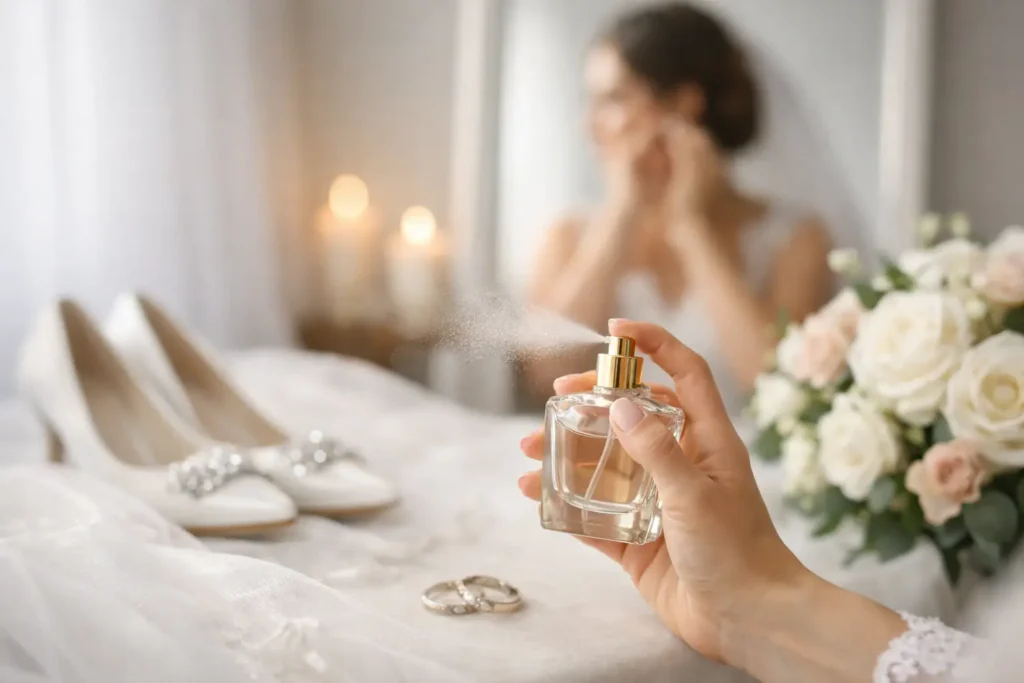
Fragrance has always been a strong gift category, but online behaviour shows that gifting is becoming more planned and more style-driven.
Buyers are not only looking for a nice bottle at a decent price. They want something that feels elevated, presentable and confident enough to give without apology. This is where branding and product presentation matter more than many assume. A fragrance does not need to cost a fortune to feel giftable, but it does need to look and read like it belongs in a premium world.
The most effective online gift purchases are usually the simplest ones. The scent family is easy to understand, the packaging feels refined, and the price sits in a range that feels generous without becoming excessive. Samples can also support gifting, particularly when the buyer knows the recipient enjoys fragrance but does not want to guess wrong on a full-size bottle.
That said, gifting online still depends heavily on trust. Delivery expectations, customer support and overall clarity around the order all play a larger role than they might in categories with less emotional weight. A late parcel is inconvenient in any sector. A late fragrance gift feels more personal.
Reviews still matter, but not in the old way
Shoppers continue to look for reassurance from other buyers, yet the role of reviews has shifted slightly. Five-star ratings alone are less persuasive than they once were. Customers now read for detail. They want to know whether the fragrance lasts well, whether it feels more suited to evening than daytime, whether it leans masculine, feminine or comfortably in between, and whether the scent gives the impression of something far more expensive.
This is one reason why concise product copy and customer feedback work best together. Reviews can add texture, but they should not be doing all the explanatory work. If the retailer leaves too much unsaid, the customer may move on rather than investigate further.
A polished online fragrance brand should feel reassuring before a single review is read. Reviews then support the decision rather than rescue it.
Mobile shopping is shaping how fragrance is sold
Most customers are browsing fragrance on their mobile phones, often in short windows of time – on the train, during a lunch break, while half-watching television at home. That changes what good merchandising looks like.
Long, romantic blocks of text may sound luxurious, but on mobile they often slow the sale. The strongest fragrance pages now do something quite disciplined. They communicate the mood, the scent profile and the likely appeal quickly. The customer should not have to scroll endlessly to work out whether a fragrance is fresh, woody, gourmand or floral.
This does not mean fragrance copy should become flat. It simply means every line must earn its place. Elegant language is valuable when it sharpens desire. Less useful when it delays understanding.
Affordable luxury is holding its ground
Perhaps the clearest signal across the market is that affordable luxury is no longer a compromise category. For many buyers, it is the most sensible one.
Customers still want distinction. They still want a fragrance that feels stylish, memorable and well made. But they are increasingly comfortable finding that experience outside legacy luxury houses. If the scent performs well, the presentation feels elevated and the shopping journey is easy, the absence of a prestige logo matters less than it once did.
That is especially true among younger adult buyers who are fluent in online research and comfortable moving between high and low price points across fashion, beauty and home. They do not automatically equate expense with superiority. They assess based on result, perception and value.
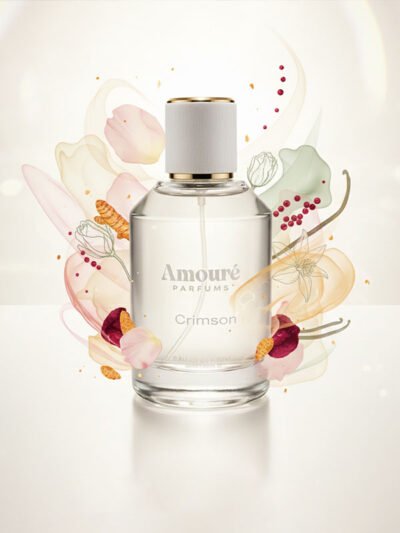
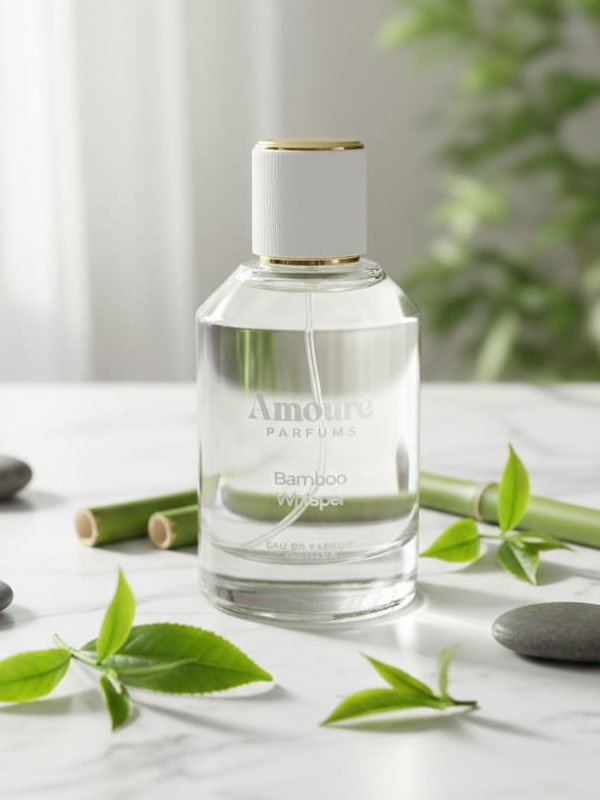
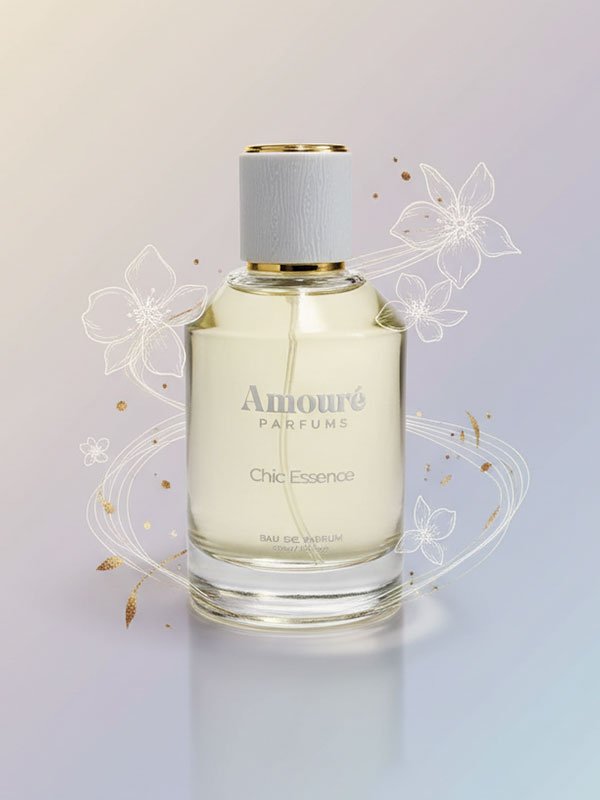
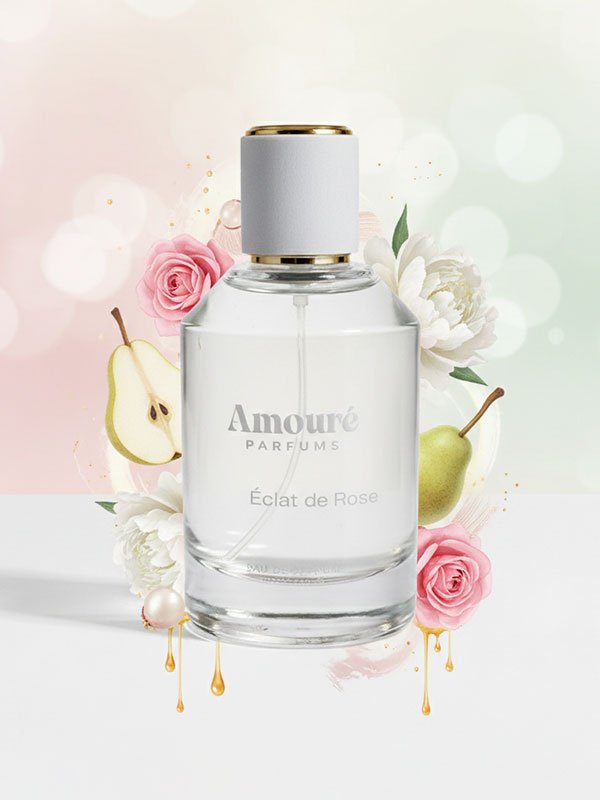
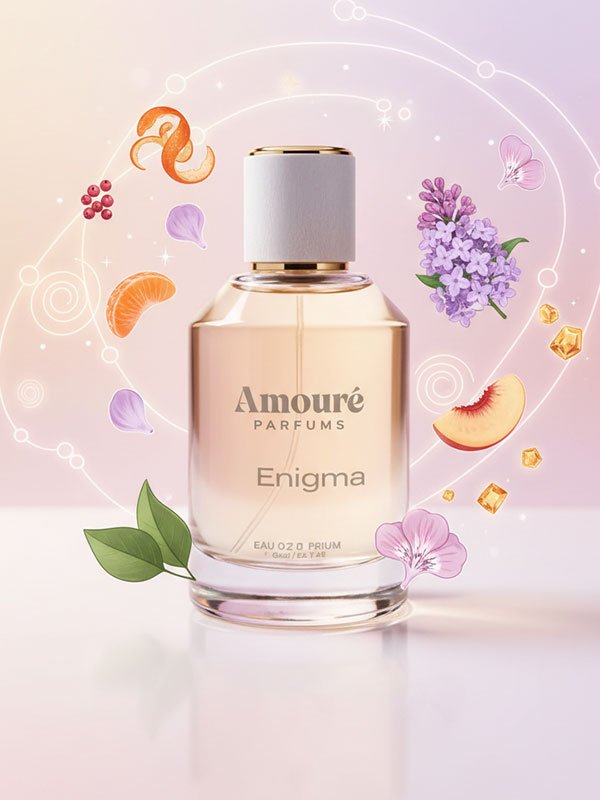
For a brand such as Amouré Parfums, this is where the opportunity becomes especially clear. The customer is not asking for less. They are asking for beauty without unnecessary mark-up, and for a shopping experience that feels as refined as the fragrances themselves.
Where the market goes next
The next phase of online fragrance retail in the UK is likely to reward brands that stay selective rather than noisy. More choice is not always better. More clarity usually is.
Customers will continue to expect elegant scent options, straightforward navigation, thoughtful sample access and pricing that feels fair for the experience on offer. Some will still buy on impulse, especially for gifting or a familiar scent profile. Many more will buy when the brand removes uncertainty with quiet confidence.
Fragrance will always be personal, but online retail has made it easier to shop with a clearer eye. The brands that understand that balance – emotion with practicality, luxury with accessibility – will remain the ones people return to when they want to smell exceptional without overspending.