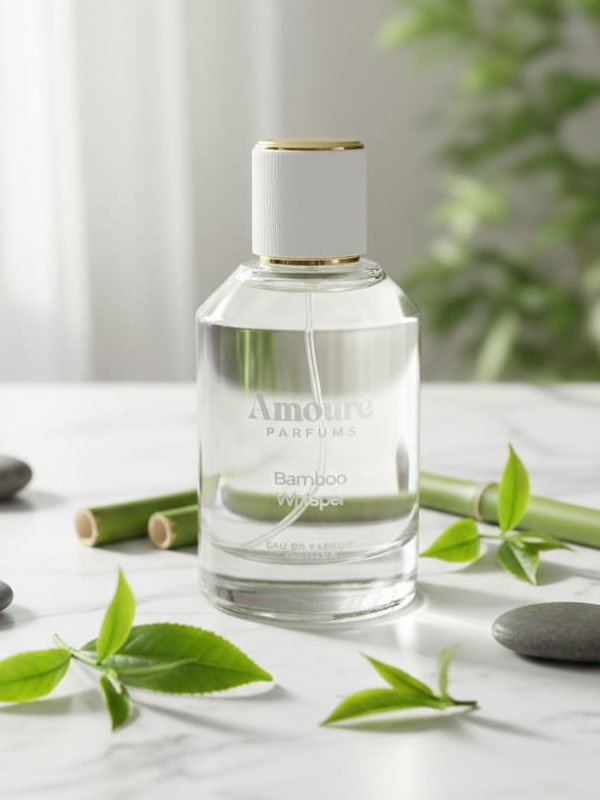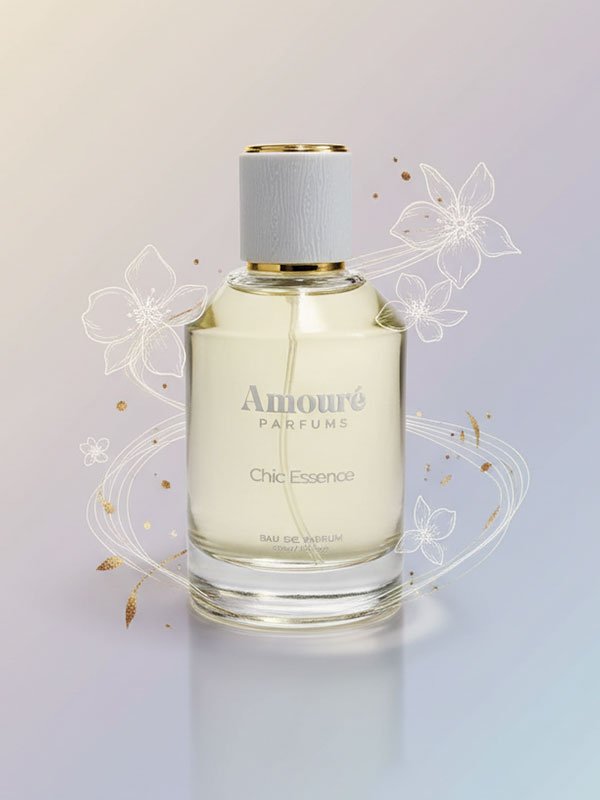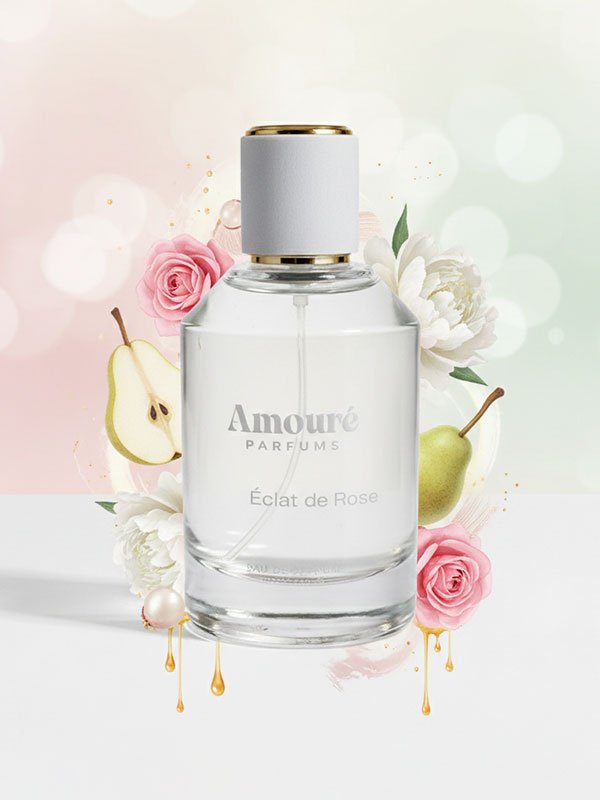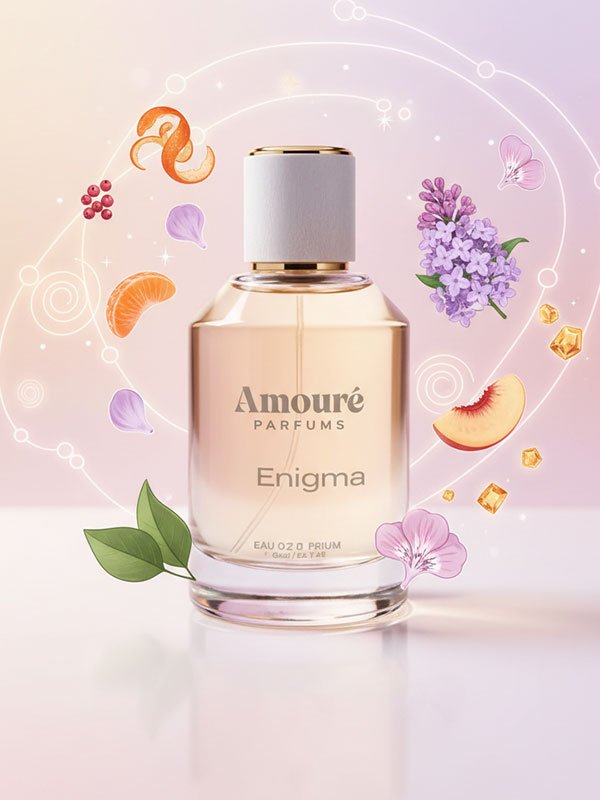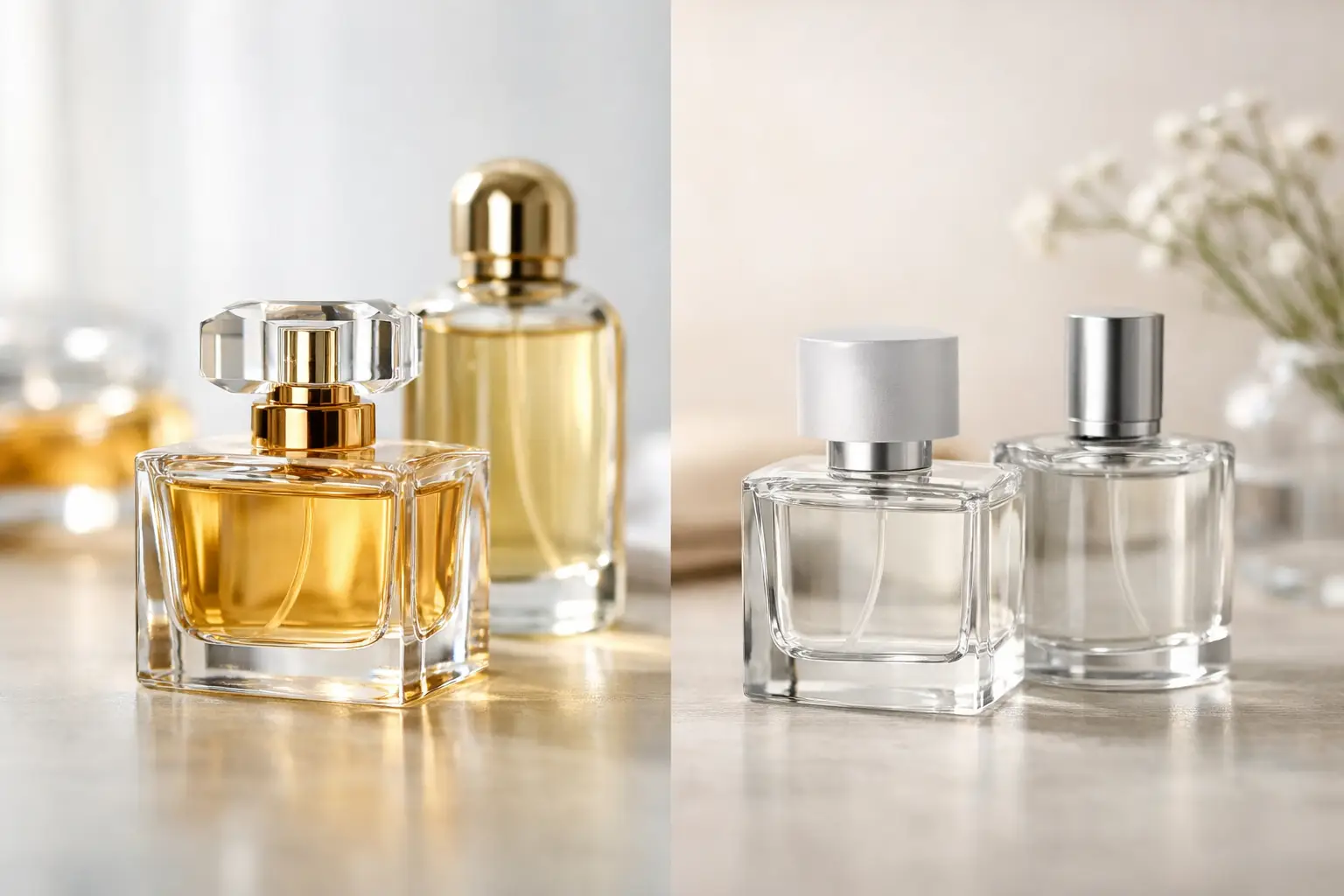
One fragrance costs well over £200. Another gives you a similar mood, style and wearability for under £30. That is usually where the inspired perfumes vs dupes conversation begins – but it should not end there. If you are choosing a scent for everyday wear, gifting or a more considered collection, the difference matters because not every affordable alternative is created with the same level of care.
For shoppers who know the names, the bottles and the scent families they already love, the language around alternatives can be confusing. Some brands use “dupe” as shorthand for anything affordable and familiar. Others avoid the term altogether. The truth sits somewhere in the middle. If you understand how inspired perfumes and dupes differ in intention, quality and presentation, it becomes much easier to buy with confidence.
Inspired perfumes vs dupes: what is the difference?
At a glance, both are alternatives to more expensive fragrances. Both may remind you of a well-known designer or niche perfume. Both appeal to buyers who want a similar scent profile without paying luxury-house prices. That is why the two terms are often treated as interchangeable.
They are not always the same thing.
An inspired perfume is typically created to capture the character, mood or olfactive direction of a fragrance people already recognise. It may echo a familiar blend of notes such as saffron and amberwood, bright citrus and white florals, or smoky oud and spice. The goal is not to pretend to be the original bottle. The goal is to offer a scent experience that feels aligned with it.
A dupe, by contrast, is usually understood as a closer imitation. The word suggests direct comparison and, in many cases, a near-copy ambition. In beauty culture, “dupe” often simply means a cheaper alternative. In fragrance, though, it can also carry a slightly blunt, bargain-led feel – as if the only point is to mimic rather than to interpret.
That distinction matters if you care about how a fragrance is made, how it wears and how it fits into your personal style. A well-composed inspired perfume can feel polished, elegant and intentional. A poor dupe can smell flat, overly sharp or incomplete, especially once it settles on the skin.
Why the word “dupe” can be misleading
The appeal of the word is obvious. It is quick, familiar and easy to search. If you already know you love a famous fragrance but do not want to spend luxury-brand money every time you top up your collection, searching for a dupe feels practical.
Still, the term can reduce fragrance to a price comparison alone. Perfume is more nuanced than that. Two scents may open similarly and then move in completely different directions after ten minutes. One may feel smooth, airy and balanced, while the other turns sweet, synthetic or heavy. Calling both a “dupe” ignores the structure that makes perfume enjoyable to wear.
It also overlooks presentation. For many buyers, fragrance is not only about smelling good. It is about finding something that feels refined, giftable and easy to wear with confidence. A bottle chosen for your dressing table, your daily routine or a present for someone else should feel considered. That is where inspired perfumes often sit more naturally than the dupe label suggests.
Quality is not only about matching the opening
When people compare alternatives, they often focus on the first spray. That makes sense because top notes are immediate and memorable. You smell citrus, spice, woods or florals, and you decide whether it reminds you of the fragrance in mind.
But the opening is only part of the story.
The better test is what happens over time. Does the scent develop cleanly, or does it collapse into a generic sweetness? Do the notes remain balanced, or does one synthetic edge start to dominate? Does it hold its shape on skin and fabric, or disappear before the day properly begins?
A strong inspired perfume is usually judged on the full wearing experience. It should feel coherent from opening to dry-down. It should project well enough to be noticed without becoming overpowering. It should also make sense in real life – for work, evenings out, colder months, warmer weather, or the simple pleasure of smelling polished on an ordinary Tuesday.
That is why price alone is not a reliable guide. Affordable does not have to mean basic, and expensive does not automatically mean better suited to your taste.
Who should choose inspired perfumes?
If you already know the fragrance profile you enjoy, inspired perfumes make shopping simpler. They give you a familiar point of reference without requiring a large spend every time you want something elegant and wearable.
They are especially useful for three types of buyer. The first is the practical collector who likes variety and wants more than one scent wardrobe option. The second is the cautious online shopper who wants a recognisable scent direction rather than a complete blind buy. The third is the style-led customer who enjoys prestige fragrance profiles but prefers to spend thoughtfully.
For these buyers, inspiration is not about “settling”. It is about choosing well. You may want something warm and opulent for evenings, something fresh and effortless for daily wear, and something more distinctive for occasions. Buying in this way allows room for mood, season and personal expression without every bottle demanding a designer-level price tag.
When dupes disappoint
Not every low-cost fragrance deserves scepticism, but there are common signs when a so-called dupe has been made too quickly or too cheaply.
The first is imbalance. A fragrance may smell impressively similar at first and then become harsh within minutes. The second is poor longevity, especially if it vanishes before the heart notes have a chance to develop. The third is a lack of polish in the blend itself – too linear, too loud or too obviously trying to imitate one note without recreating the elegance around it.
There is also the matter of expectation. If a dupe is marketed as virtually identical, buyers tend to judge it more harshly when it is not. And it rarely is. Skin chemistry, ingredient choices and concentration all shape the final result. A perfume can be beautifully inspired by something iconic without being indistinguishable from it.
That is often the better standard to use. Ask whether it captures the style you love, not whether it tricks you into believing it is the original.
How to shop smarter when comparing alternatives
The most useful starting point is to think in scent families rather than names alone. If you love creamy woods, musky florals, boozy amber, marine freshness or velvety rose, start there. A reference fragrance helps, but your real preference is the atmosphere it creates.
Then consider wear. Do you want something for day-to-day use, date nights, colder weather or gifting? A scent that feels glorious but intense may not be right for the office. A fresh citrus that charms in summer might feel too light if you want evening presence.
Samples are worth taking seriously here. They remove much of the guesswork and help you compare on your own skin, in your own routine, with proper wear time. That is often the difference between a clever purchase and an expensive mistake, even at more accessible prices.
It is also worth paying attention to how a fragrance is described. Clear, reference-led language is helpful. Vague promises are not. If a perfume tells you what sort of scent profile to expect and who it might suit, you can make a more confident decision.
Inspired perfumes vs dupes in the real world
For most people, this is not an abstract debate. It is about value, confidence and how a fragrance fits into everyday life. You want something that smells elevated, feels easy to choose and does not leave you regretting the spend.
That is why inspired perfumes continue to appeal to discerning buyers across the UK. They meet a real need. They offer access to beloved scent styles in a way that feels modern, wearable and financially sensible. When done well, they are not trying to replace luxury fragrance culture. They are making it more accessible.
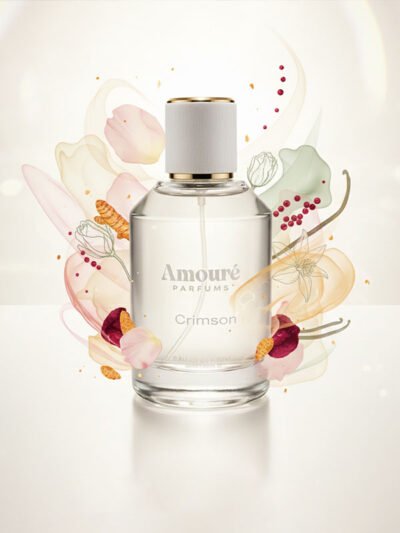
At Amouré Parfums, that is exactly where the conversation becomes more useful. The point is not to chase labels for the sake of it. The point is to find fragrance that feels timeless, distinctive and effortlessly yours.
If you are deciding between inspired perfumes and dupes, trust your nose more than the headline. The best bottle is the one that suits your taste, wears beautifully and makes luxury feel less distant.