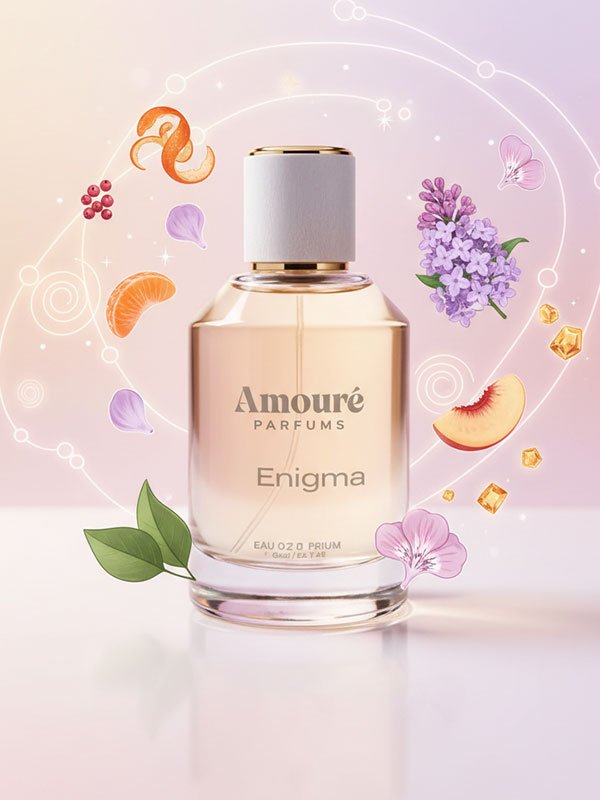
Buying fragrance online is easier when you know what you are smelling on paper before it ever reaches your skin. A men’s fragrance notes guide gives you that advantage. Instead of guessing from a bottle, a name or a celebrity campaign, you can read a scent profile and understand whether it is likely to feel crisp, smooth, dark, clean or quietly seductive.
That matters because fragrance is personal, but it is not random. Most men’s perfumes are built from familiar note families, and once you recognise them, shopping becomes far more precise. You stop blind-buying fragrances that look impressive yet never suit your style, and start choosing scents that feel natural on you from the first spray.
How a men’s fragrance notes guide actually helps
Fragrance notes are the individual scent impressions that make up a perfume. You will usually see them split into top, heart and base notes. Top notes are what you notice first – often fresh, bright and quick to appear. Heart notes arrive once the opening settles and give the fragrance its main character. Base notes last longest and create the trail that stays on skin, clothing and memory.
If you have ever loved the first ten minutes of a scent and disliked it an hour later, this is why. The opening and the dry-down can feel quite different. Knowing the structure helps you buy for the whole wearing experience, not just the first impression.
A fresh citrus top may smell clean and energising at first, but if the base is heavy with oud, leather or smoky woods, the fragrance will eventually feel richer and more intense. Equally, a scent that opens with spice might soften into something creamy and polished if vanilla, amber or sandalwood sit underneath.
The main fragrance note families in men’s scents
Citrus notes
Citrus notes include bergamot, lemon, grapefruit, orange and mandarin. These bring brightness, sharpness and a freshly showered effect. In men’s perfumery, bergamot is especially common because it adds elegance rather than simple sweetness.
If you prefer fragrances that feel clean, versatile and easy to wear, citrus is often a safe starting point. The trade-off is longevity. Citrus-heavy scents can feel lighter and may need reapplying compared with denser woody or amber styles.
Aromatic notes
Aromatic fragrances often feature lavender, sage, rosemary, basil and geranium. These notes give a scent a crisp, classic and well-groomed quality. They are common in barbershop-inspired fragrances and modern office-friendly perfumes alike.
Lavender is a good example of a note people think they know, but in fragrance it can vary. Sometimes it feels soapy and traditional. Sometimes it feels smooth, contemporary and almost metallic when paired with woods or musk.
Woody notes
Woody notes include cedarwood, sandalwood, vetiver, patchouli and cashmere woods. These add depth, structure and sophistication. Cedar tends to feel dry and clean, sandalwood feels creamier and softer, while vetiver can feel green, smoky or earthy depending on the blend.
If your style leans tailored, understated and refined, woody fragrances are often an excellent fit. They tend to wear well across seasons, though lighter woods suit daytime better than denser, darker woods in high heat.
Spicy notes
Black pepper, cardamom, cinnamon, nutmeg and pink pepper sit in the spicy family. These notes create warmth and movement. Cardamom often feels cool-spicy and elegant, black pepper feels sharper, and cinnamon adds a sweeter richness.
Spice can make a fragrance feel more expensive because it adds texture and contrast. Used lightly, it gives lift. Used heavily, it can make a scent feel more evening-focused or less versatile for daily wear.
Amber and oriental notes
Amber, vanilla, benzoin, tonka bean and resinous accords create warmth, sweetness and sensual depth. These fragrances often feel richer, smoother and more noticeable. They suit colder weather, evenings and occasions when you want a stronger presence.
The appeal is obvious, but balance matters. A well-made amber fragrance feels elegant and enveloping. An overly sweet one can feel dense or repetitive, especially in warmer months.
Leather, tobacco and oud
These are statement notes. Leather can feel sleek, smoky or suede-like. Tobacco often reads as warm, honeyed and slightly spiced rather than as cigarette smoke. Oud can be woody, resinous, dark or medicinal depending on the composition.
These notes are ideal if you want something distinctive and confident. They are not always the easiest blind buy, though. If you usually wear fresh or aquatic scents, a full-bodied oud or leather fragrance may feel like too sharp a jump.
Fresh aquatic and marine notes
Marine notes, sea salt accords, watery fruits and ozonic elements create a cool, airy effect. These fragrances are often popular because they feel easy, sporty and crowd-pleasing.
They work particularly well for spring and summer, gym bags, daytime wear and warmer offices. The only caution is that some aquatic scents can feel a little generic if they rely too heavily on crisp freshness without enough depth underneath.
How to read notes like a better buyer
The smartest way to use a men’s fragrance notes guide is to look for patterns in what you already enjoy. If several of your favourite fragrances contain bergamot, cedar and vetiver, that tells you more than whether one was labelled luxury and another mainstream. Your taste usually lives in the notes.
It also helps to separate what you like smelling in the air from what you like wearing on skin. Tobacco, oud and leather may smell impressive on a test strip, but for everyday use you may prefer something built around citrus, lavender and soft woods. There is no contradiction in that. The best fragrance wardrobe usually includes more than one mood.
When reading a scent description, pay attention to the base. That is where the fragrance spends most of its life. A fresh opening may get your attention, but woods, amber, musk and resins decide whether the perfume feels polished, smooth, sensual or heavy after a few hours.
Matching notes to occasion and style
For work, lighter citrus, aromatic and woody compositions are often the most dependable. They feel clean and considered without dominating a room. Think bergamot, lavender, sage, cedar and vetiver.
For evenings, date nights or colder weather, spice, amber, tobacco and darker woods tend to come into their own. They project more warmth and leave a stronger impression. Cardamom, vanilla, tonka, patchouli and leather often perform beautifully here.
For weekends and casual wear, fresh aquatic or citrus-led fragrances are hard to fault. They feel relaxed and modern, especially in spring and summer. Grapefruit, marine notes, soft musk and light woods are easy to wear and broadly appealing.
Your personal style matters too. If you wear crisp shirting, tailored outerwear and minimal accessories, dry woods, citrus and aromatic notes will often feel naturally aligned. If your wardrobe is darker, richer and more expressive, amber, spice, leather and oud may suit you better.
Common mistakes when choosing by notes
One mistake is assuming every note smells exactly the same in every fragrance. Vetiver in one perfume can feel fresh and grassy, while in another it can feel smoky and dark. Oud can be smooth and elegant in one blend, harsh and medicinal in another. Notes are useful, but composition still matters.
Another mistake is chasing only longevity. Rich base notes like amber, oud and patchouli often last longer, but that does not automatically make them better. A lighter citrus-woody fragrance that suits your lifestyle is more valuable than a powerful scent that stays all day yet never quite feels like you.
It is also worth remembering that skin chemistry changes the experience. A fragrance that smells dry and woody on one person may read warmer or sweeter on another. That is why samples are so useful. They reduce guesswork and let you wear a scent properly before committing to a full bottle.
A simple way to find your direction
If you are just starting out, begin with the broadest question: do you want to smell fresh, warm, woody or bold? From there, narrow down. Fresh usually leads towards citrus, aromatic or aquatic notes. Warm points towards amber, vanilla and spice. Woody takes you into cedar, sandalwood and vetiver. Bold moves into leather, tobacco and oud.
For many men, the sweet spot is balance. A fragrance with citrus on top, spice in the heart and woods in the base often feels polished enough for evening yet easy enough for daytime. That sort of structure explains why so many modern favourites have broad appeal.
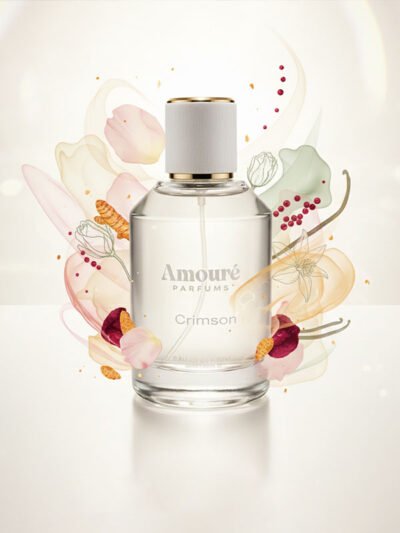
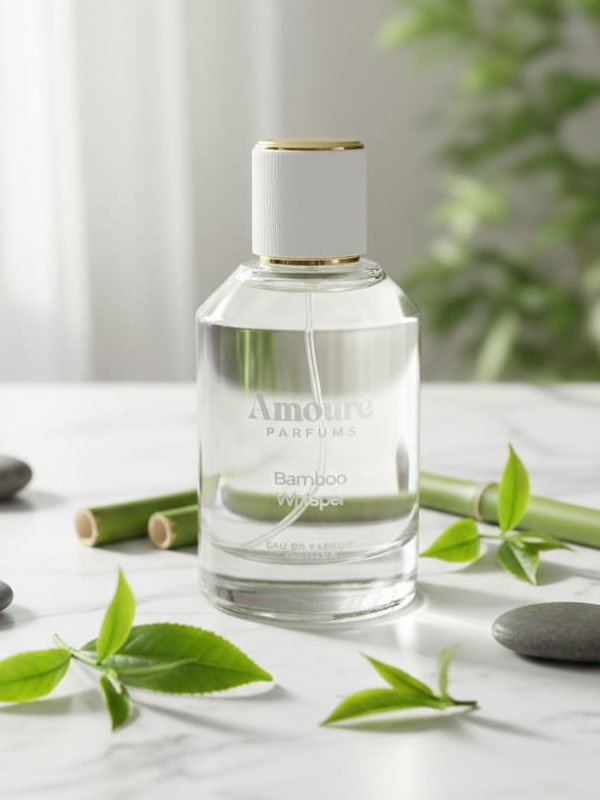
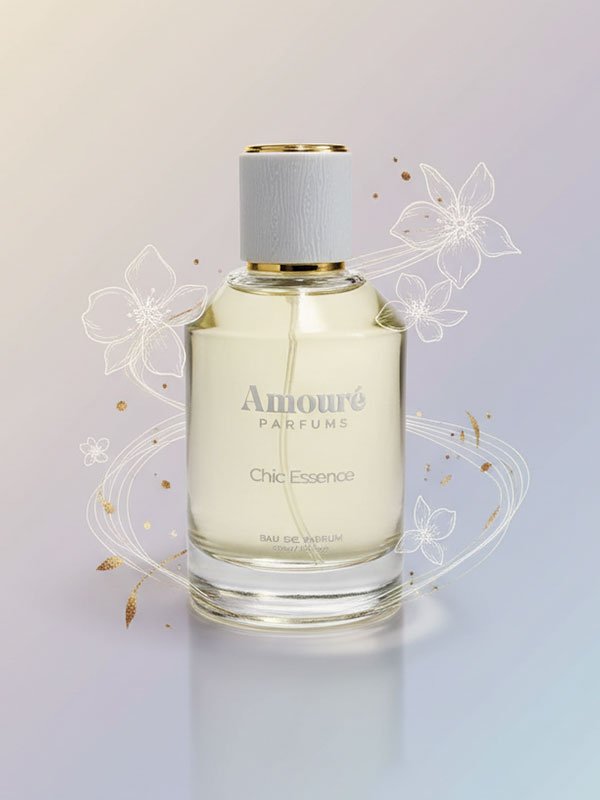
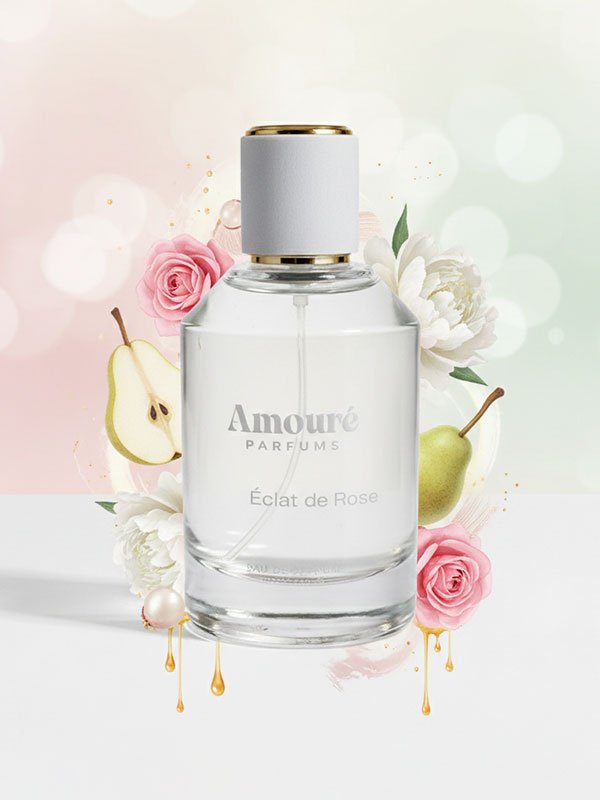
At Amouré Parfums, that is also what makes fragrance discovery feel less uncertain. Once you know the notes that fit your taste, affordable luxury becomes less about compromise and more about choosing well.
A good fragrance should feel like part of how you present yourself – effortless, considered and memorable in the right measure. Learn the notes, trust your preferences, and the right scent becomes much easier to recognise.