You can tell a great fragrance choice before anyone asks what it is. It feels settled, natural and entirely in step with the person wearing it. If you have ever wondered what perfume suits my personality, the answer is rarely about following trends. It is about recognising how you like to move through the world, how you dress, what you want to project and which scents feel quietly right on your skin.
Perfume is personal style in a form you cannot see. Some people want polish and softness. Others want presence, contrast or intrigue. The right fragrance does not change who you are. It sharpens the impression that is already there.
What perfume suits my personality and why it matters
Most people do not struggle because there are too few fragrances. They struggle because there are too many, and many are described in ways that sound lovely without saying much. Words like fresh, sensual or elegant can mean very different things depending on who is wearing them.
A more useful approach is to think in scent families and personality cues together. If your wardrobe leans tailored and minimal, a syrupy gourmand may feel out of place, even if you enjoy it on someone else. If you are expressive, social and love a statement lip or sharp evening look, an airy skin scent may disappear into the background when you want something more distinctive.
This is where perfume becomes easier to buy well. You are not only choosing notes. You are choosing the mood you want to leave behind.
Start with your natural style
The quickest way to narrow your options is to look at the way you already present yourself. Fragrance should sit comfortably beside your clothes, jewellery, grooming and routines.
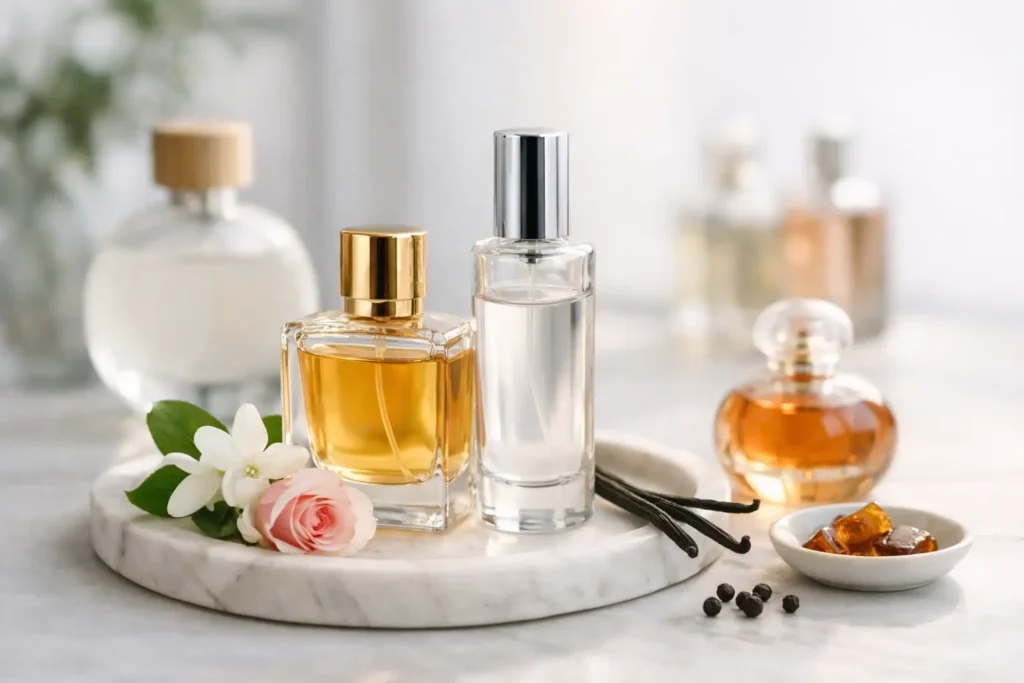
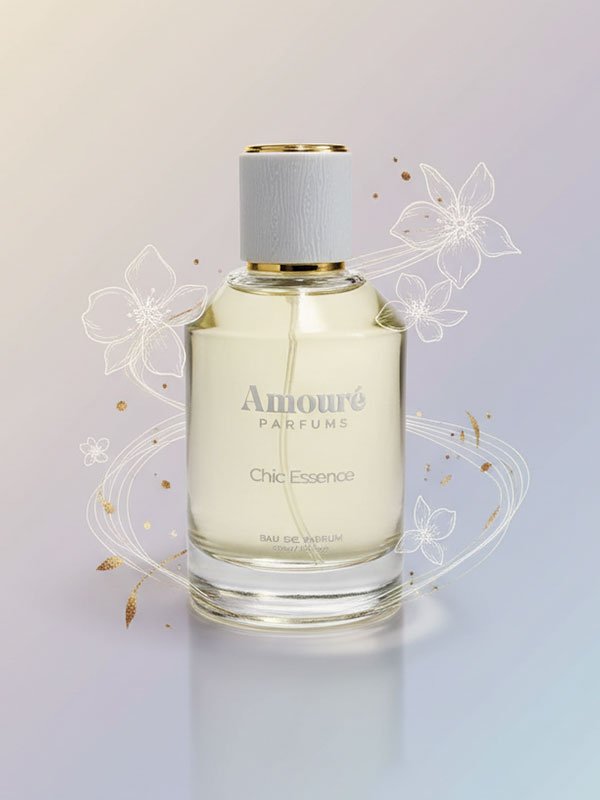
If your style is clean, modern and understated, look first at citrus, soft woods, iris, musk and delicate florals. These scents often feel polished without trying too hard. They suit the person who wants to smell expensive, composed and fresh rather than obviously perfumed.
If you prefer a classic, elegant look, floral aldehydic styles, rose, amber, patchouli and creamy woods tend to make sense. These fragrances can feel timeless and assured. They work beautifully for someone drawn to well-cut pieces, neutral palettes and a more refined finish.
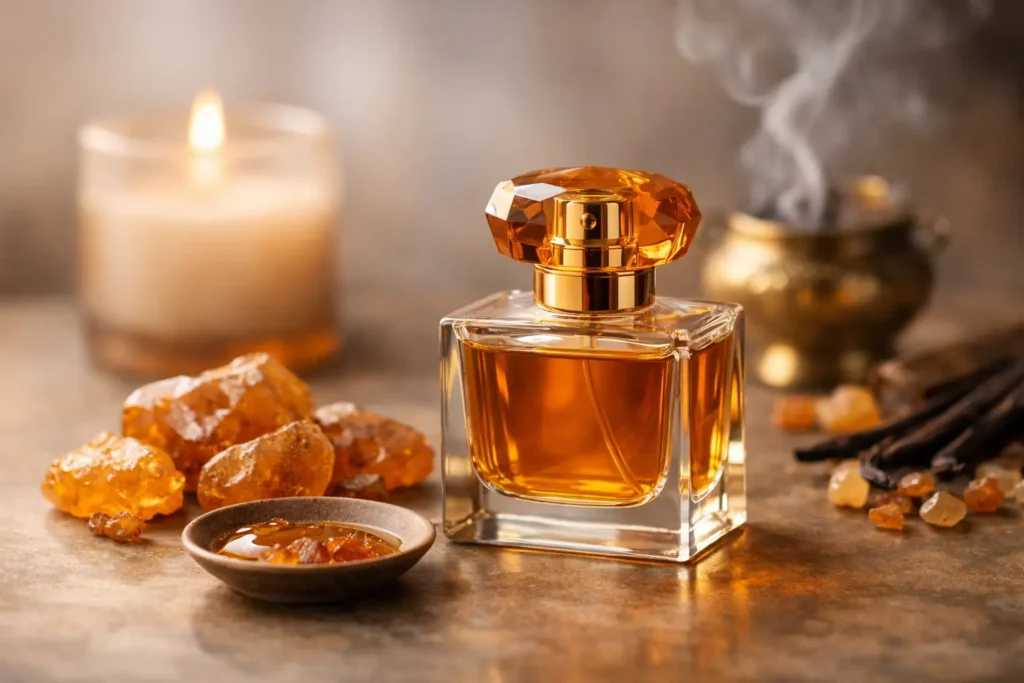
If your taste is bold, fashion-led or a little dramatic, richer blends are often a better fit. Think oud, spices, leather, smoky woods, white florals with depth, or sweet notes balanced by darker accords. These scents have presence. They suit evenings, colder weather and anyone who likes perfume to be part of the conversation.
If you are relaxed and easy-going, green notes, aquatic accords, lavender, neroli and light fruity florals can be ideal. They feel approachable and versatile. The appeal here is ease rather than intensity.
None of this is rigid. A minimalist may adore vanilla, and an extrovert may prefer crisp citrus. The point is not to box yourself in, but to spot patterns that make your choices more confident.
Match scent families to your character
For the quietly confident
If you are self-assured without needing attention, elegant woods, musks and smooth ambers often suit you best. These fragrances tend to feel refined at close range rather than loud across a room. They leave an impression of taste, not effort.
This personality often suits scents inspired by expensive hotel lobbies, pressed shirts, warm skin and polished interiors. Think subtle sophistication rather than sweetness.
For the romantic
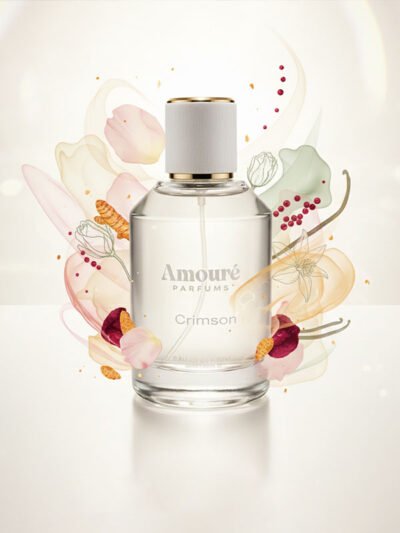
Romantic does not always mean powdery or old-fashioned. It can mean soft rose, peony, jasmine, vanilla or cashmere woods, worn in a way that feels graceful and modern. If you are drawn to candlelight dinners, beautiful details and a little softness in your style, floral or floral-amber perfumes often feel instinctively right.
The trade-off is that some romantic scents can lean too sweet if blended heavily. If that is not your style, choose florals grounded by musk, woods or patchouli for balance.
For the bold and magnetic
If you like impact, choose perfumes with contrast. Oud and rose, leather and saffron, incense and amber, white florals with a dark base, or a rich gourmand with spice can all create that effect. These scents suit people who enjoy dressing up, standing out and wearing fragrance with intention.
They are less suited to every office or every season, which matters. A statement scent can be perfect at night and too much on a warm commute. Personality should guide you, but context still counts.
For the relaxed minimalist
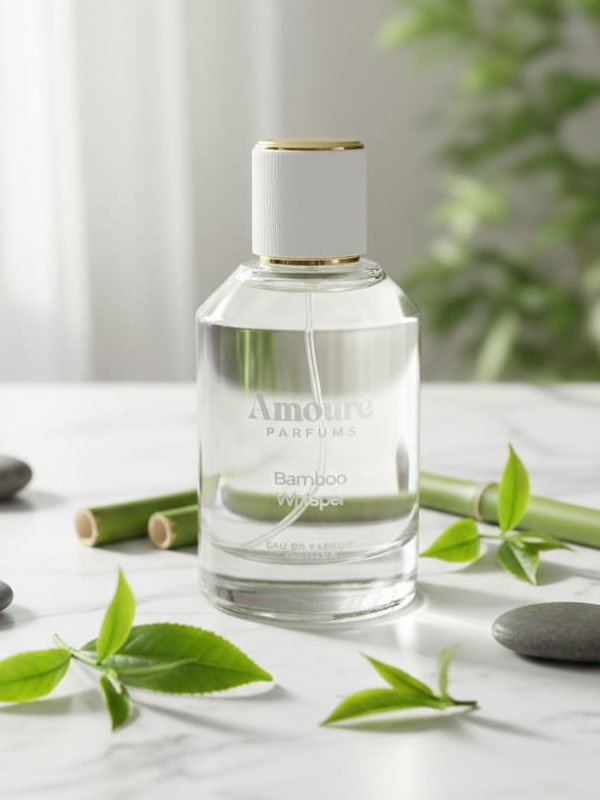
You may not want a perfume that enters the room before you do. Citrus, tea notes, soft musk, fig, neroli and airy woods are often ideal here. They feel clean, expensive and easy to wear. If your style is pared back and modern, this family usually feels effortless.
The compromise is longevity. Fresher scents can fade faster than denser amber or oud compositions. That does not make them worse. It simply means reapplying may be part of the experience.
Think about how you want to be remembered
A good question is not only what perfume suits my personality, but what version of me do I want people to notice first?
If you want to seem polished and capable, fresh woods, citrus and musks are strong choices. If you want warmth and approachability, vanilla, soft amber and smooth florals often work well. If you want intrigue, reach for smoke, spice, incense or darker woods. If you want sensuality, look for creamy florals, amber, musk and skin-like notes.
This matters because fragrance is emotional. Two scents can both be beautiful, but one may feel like your daily signature while the other only suits a date night or winter event. The best collection often includes more than one mood.
Personality is one part of the choice
Skin chemistry, season and setting all change how a fragrance behaves. A perfume that smells velvety and rich on one person may turn sharper or sweeter on another. The same scent can also feel quite different in July than it does in November.
That is why samples are so useful. They let you test the idea of a fragrance against real life. Wear it to work, to dinner, on a quiet Sunday, and see whether it still feels like you after an hour or two. A scent can be impressive at first spray and still not be the right fit.
For many people, the smartest way to shop is by reference points. If you already know you enjoy certain designer or niche fragrance styles, you can use that preference to narrow your direction. It makes the process less abstract and far more intuitive.
A simple way to find your match
Start with three questions. First, do you want to smell fresh, warm, floral, woody or sweet? Second, do you want your perfume to sit close to the skin or leave more of a trail? Third, where will you wear it most often – daily, evenings, weekends or special occasions?
Your answers usually point you somewhere useful. Fresh and discreet often leads to citrus, musk or soft woods. Warm and elegant may lead to amber, vanilla or florals with depth. Stronger presence tends to pull you towards oud, spice, leather or richer oriental styles.
From there, test rather than guess. A fragrance should suit your personality, but it should also suit your patience, your wardrobe and your day-to-day life. The one you love in theory is not always the one you will actually reach for.
At Amouré Parfums, that is exactly why accessible discovery matters. When premium scent profiles are easier to explore, finding a fragrance that feels true to you becomes far simpler and far more enjoyable.
When your personality has more than one side
Most people are not one-note, and their fragrance wardrobe should not be either. You may be crisp and professional from Monday to Friday, then prefer something warmer and more expressive in the evening. You may love clean florals in spring and deeper amber woods in winter.
That does not mean you lack a signature. It means your style has range. A signature can be a feeling rather than a single bottle – perhaps always elegant, always smooth, always memorable, whether expressed through musk in daylight or oud after dark.
If you are deciding between two very different scents, do not force a single identity. Choose the one that fits your most common setting first, then build from there.
The right perfume should feel like recognition. Not louder, not trendier, not more complicated – simply more like you, with a little extra polish. When that happens, you stop asking whether it suits your personality and start noticing how naturally it becomes part of your presence.