A bottle of perfume can look deceptively simple. Clear glass, elegant cap, a few sprays on the skin – and suddenly the price is £90, £180, sometimes far more. So if you have ever wondered why are perfumes so expensive, the short answer is this: you are not only paying for scent. You are paying for ingredients, craftsmanship, branding, packaging, distribution and, quite often, the prestige attached to the name on the bottle.
That does not mean every expensive perfume is overpriced, or that every affordable fragrance is a compromise. It simply means perfume pricing is layered, and not every layer affects what you actually smell.
Why are perfumes so expensive in the first place?
Perfume sits in a unique space between beauty, fashion and luxury. It is functional, but it is also emotional. People wear fragrance to feel polished, memorable, attractive, comforted or confident. Luxury brands understand that very well, and they price accordingly.
Part of the cost is genuine. Fine fragrance development can take months or even years. Perfumers work with complex formulas, test how a scent develops over time and refine the balance between top, heart and base notes. Stability matters too. A fragrance has to smell good on first spray, after an hour, and often after far longer.
But part of the price comes from positioning. Perfume has long been sold as an object of desire. When a scent is wrapped in a famous name, a beautiful bottle and a high-end campaign, the selling price rises well beyond the liquid inside.
The cost of ingredients is real – but it varies
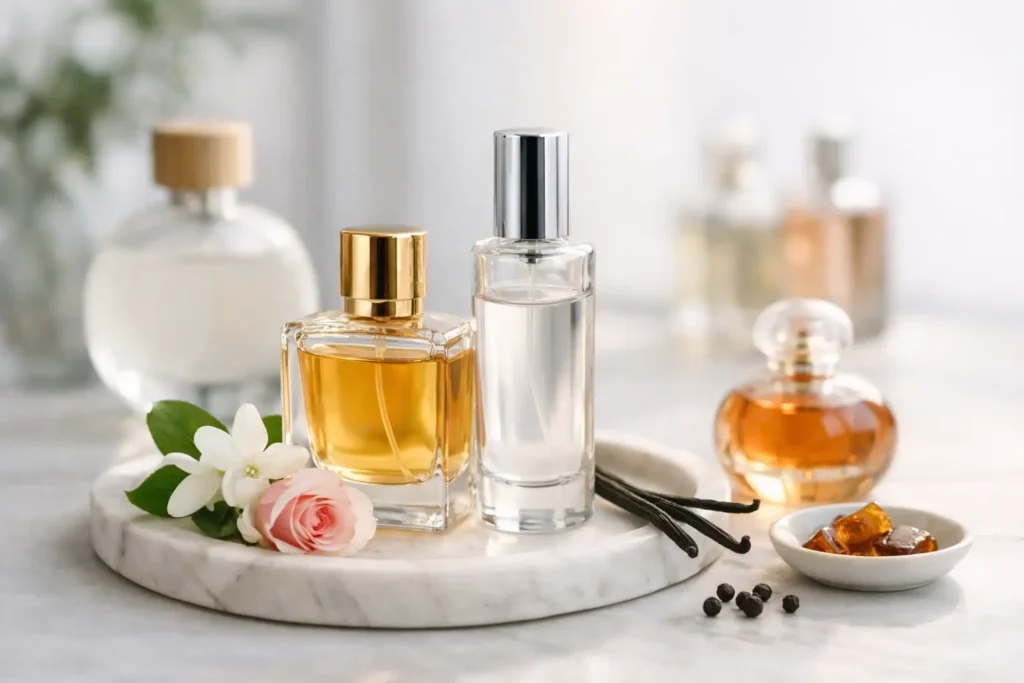
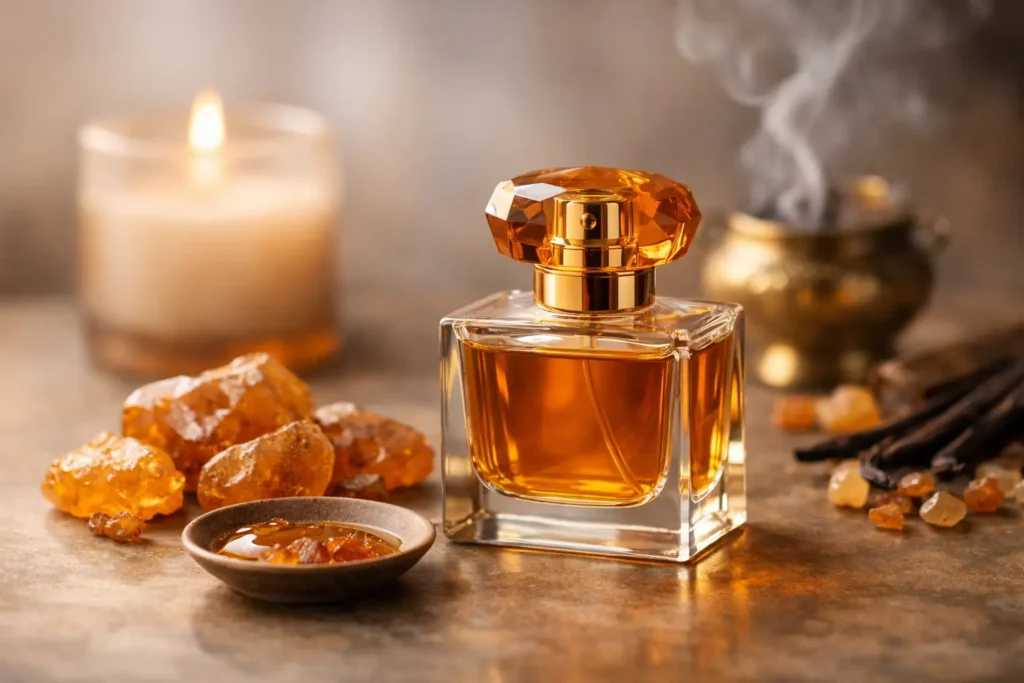
Some perfume materials are expensive for good reason. Natural oils such as rose, jasmine, iris, sandalwood and oud can be costly to source and process. It can take a remarkable quantity of raw material to produce a very small amount of oil. If a fragrance uses rare naturals in meaningful doses, that affects the final cost.
That said, not every costly perfume is packed with rare ingredients. Modern perfumery relies heavily on aroma molecules created in laboratories, and many of them are excellent. They can be cleaner, more stable and more consistent than naturals. They also allow perfumers to create effects that would be difficult or impossible otherwise.
This is where the price question becomes more interesting. Expensive perfume is not always expensive because the juice is unusually costly to make. Sometimes the formula is sophisticated but commercially efficient, while the real spending goes elsewhere.
Natural versus synthetic does not mean better versus worse
There is a persistent idea that natural ingredients are inherently superior and synthetics are somehow lesser. In fragrance, that is too simplistic. A beautifully composed perfume often blends both.
Synthetics can improve longevity, clarity and projection. They can also make certain scent profiles more wearable. Naturals, meanwhile, can add texture, depth and nuance. The quality of a fragrance depends less on whether it is natural or synthetic and more on how well the formula is built.
Packaging, bottle design and presentation add more than you think
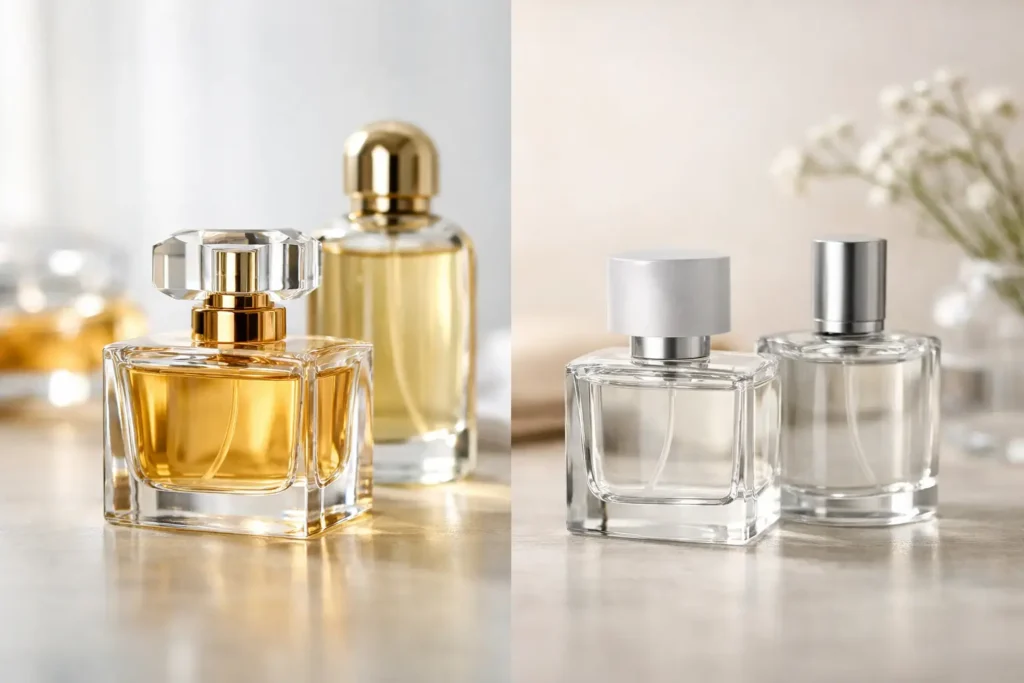
Luxury perfume is rarely sold in a plain bottle with a basic box. Heavy glass, magnetic caps, embossed labels, lined cartons and polished presentation all add cost. These details matter because fragrance is frequently bought as a treat or a gift. The visual experience is part of the appeal.
For some buyers, that extra ceremony is worth it. For others, it has little to do with the wearing experience. If your priority is how a fragrance smells and performs on skin, lavish packaging may be one of the least important parts of the equation.
This is one reason direct-to-consumer fragrance brands can offer more accessible pricing. When less of the budget is tied up in counters, display units and extravagant packaging, more value can stay with the customer.
Branding is often one of the biggest costs
A fragrance from a major fashion house does not arrive at its price by accident. You are helping fund the entire luxury ecosystem around it – global advertising campaigns, celebrity ambassadors, premium retail space, launch events and the power of the brand itself.
That brand value is not imaginary. For many people, owning a Chanel, Tom Ford or Maison Francis Kurkdjian scent is part of the pleasure. The bottle carries recognition, status and personal identity. In luxury, the name matters.
Still, branding can push prices well beyond production costs. Two fragrances may offer a similar mood, style or scent profile, yet sit in very different price brackets because one has a more powerful label attached to it.
Retail mark-ups play a major role
Traditional fragrance retail is expensive. Department stores, beauty halls and airport concessions all need margins. So do distributors, wholesalers and retailers. By the time a bottle reaches the customer, several businesses may have taken their share.
That is why the same category can contain such dramatic price differences. A scent sold through a long traditional chain often has a very different cost structure from one sold directly online. The fragrance itself may still be polished, elegant and high-performing, but the route to market is leaner.
For shoppers, this matters. If you have been asking why are perfumes so expensive, the answer is often as much about the business model as the perfume formula.
Concentration affects price, but not always in the way people think
You will often see terms such as eau de toilette, eau de parfum and parfum. In general, higher concentration can mean a higher price because more fragrance oil is used. It can also suggest richer performance.
However, concentration alone does not tell you everything. A well-made eau de toilette can smell fresher and more refined than a heavy eau de parfum. Longevity also depends on the ingredients used, the structure of the formula and your own skin.
So yes, stronger concentrations can cost more. But a higher price tag does not automatically guarantee that a fragrance will suit you better or last exactly as you expect.
Niche perfumes are expensive for slightly different reasons
Niche fragrance houses often justify premium prices by offering unusual compositions, more distinctive identities and smaller-scale production. Sometimes that results in genuinely striking scents that feel more individual than mass-market launches.
Sometimes, though, the niche label itself becomes part of the luxury story. Scarcity, exclusivity and insider appeal can command a premium just as powerfully as mainstream branding can. In other words, niche does not always mean better value. It may mean more original. It may also simply mean more selective in its audience and price positioning.
For fragrance lovers, that can be worthwhile. If you want something unusual, artistic or less widely worn, niche can feel special. But if your goal is to smell exceptional rather than to own a particular label, there are more accessible routes.
Why cheaper perfumes are not always a false economy
Affordable fragrance has improved significantly. Better sourcing, modern aroma chemicals, more agile production and direct online retail have changed what is possible. A well-made fragrance at £21.99 to £29.99 can smell far more luxurious than its price suggests.
The key is understanding where money is being spent. If a brand focuses on elegant scent profiles, quality presentation and straightforward selling rather than inflated prestige, the customer can receive more fragrance value for less money.
That is especially appealing if you enjoy variety. Many people no longer want one signature scent that absorbs a large monthly budget. They want an easy rotation – something fresh for daytime, something richer for evening, perhaps something warm and giftable for colder months. Accessible pricing makes that far more realistic.
How to judge whether a perfume is worth the price
The better question is not only why are perfumes so expensive, but whether a specific perfume earns its price. Start with the scent itself. Does it smell refined, balanced and pleasing from opening to dry down? Then consider performance. Does it wear in a way that suits your expectations, whether that means soft intimacy or stronger presence?
After that, think about what matters to you personally. If you love collectible bottles and iconic branding, that may justify a higher spend. If you care more about the scent profile and everyday wearability, you may find greater satisfaction in an affordable luxury option.
Samples are especially helpful here. They remove much of the guesswork and let you test a fragrance in real life rather than relying on a strip in a shop or an attractive bottle online.
The smartest way to shop fragrance now
The modern fragrance customer is more informed than ever. People know that price and quality are connected, but not perfectly. They understand that prestige can be beautiful, but it can also be expensive in ways that have little to do with the actual wearing experience.
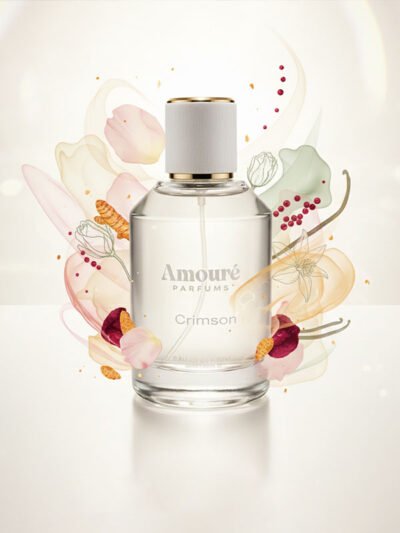
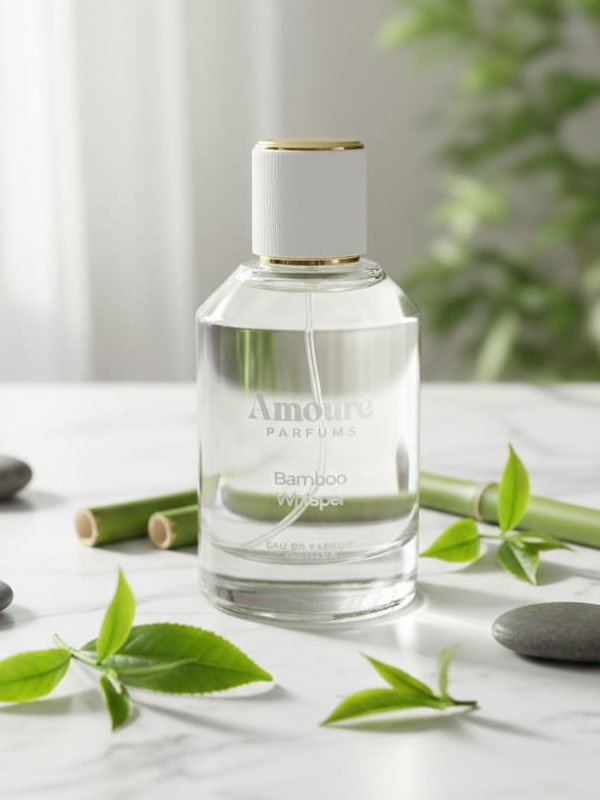
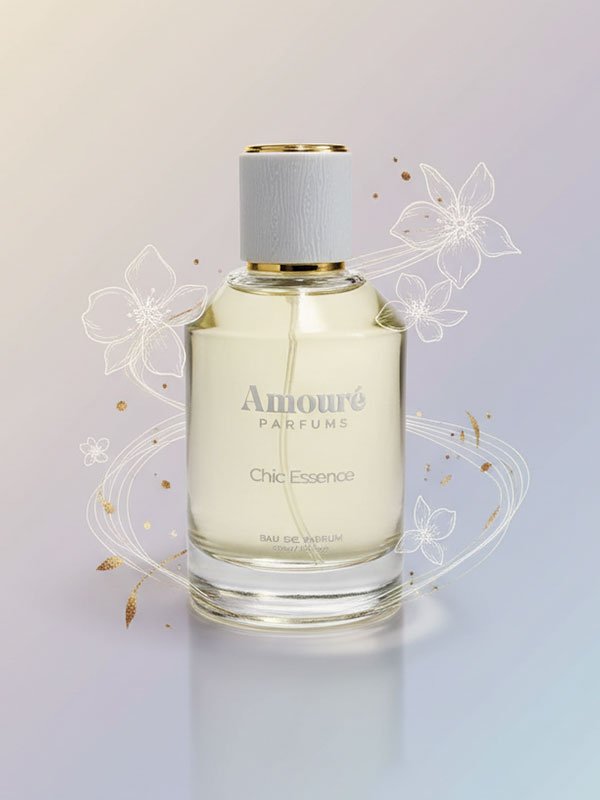
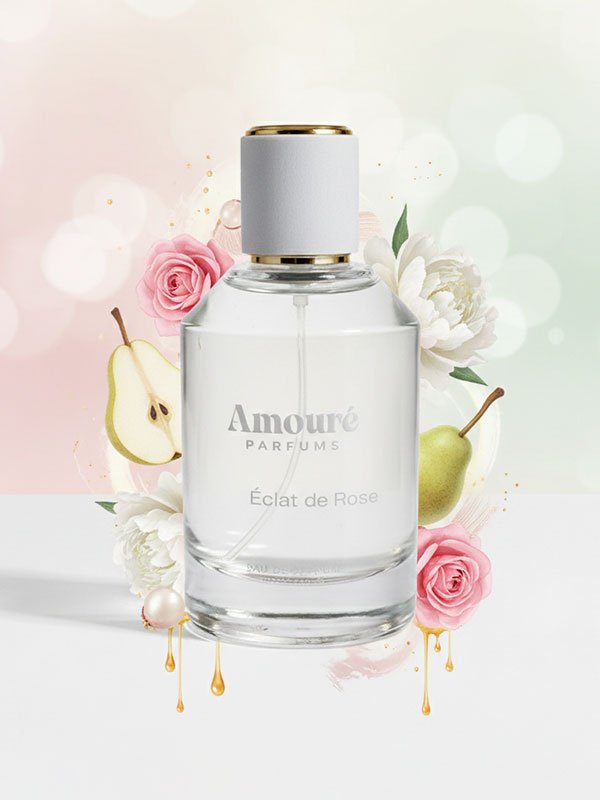
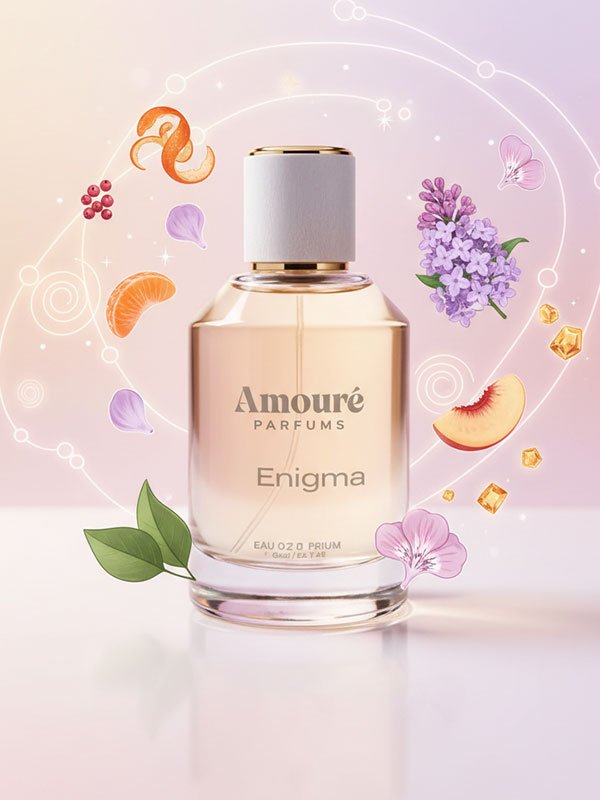
That shift has created space for brands such as Amouré Parfums, where the goal is not to imitate the luxury ritual at luxury prices, but to offer timeless, elegant scent profiles in a more accessible way. For many shoppers, that is the sweet spot – sophistication without excess, discovery without pressure, and fragrance that feels memorable rather than merely expensive.
A fine perfume should feel like an extension of your style, not a test of how much you are willing to spend. The cleverest purchase is the one that smells right, feels right and earns its place on your dressing table every single day.