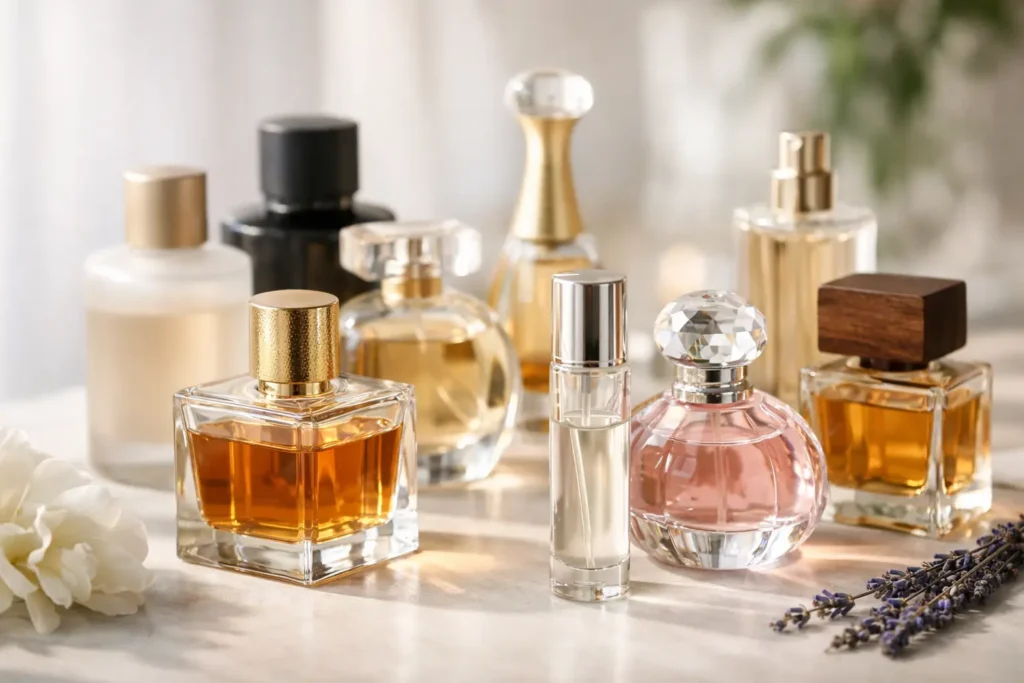
Standing at the perfume counter or scrolling through pages of scents can make even the most style-aware shopper hesitate. Fragrance confidence for beginners rarely comes from buying the most expensive bottle or choosing the loudest scent. It comes from knowing what suits you, what feels easy to wear, and what makes you feel quietly put together the moment it touches your skin.
For most people, the uncertainty starts with one simple question: what if I choose wrong? That concern is sensible. Fragrance is personal, and a perfume that feels magnetic on one person can feel overpowering or flat on another. The good news is that confidence with scent is not a talent you either have or do not have. It is something you build, quite quickly, once you understand a few basics.
Why fragrance confidence for beginners matters
A well-chosen fragrance does more than smell pleasant. It shapes presence. It adds polish before a meeting, softness before dinner, or a touch of character on an ordinary weekday. When a scent feels right, you stop thinking about it every five minutes. You wear it with ease.
That is the real goal for beginners. Not owning dozens of bottles. Not speaking in complicated fragrance terms. Simply finding scents that feel aligned with your style, your routine and the way you want to be remembered.
There is also a practical side. Prestige fragrance has become increasingly expensive, so every purchase carries more pressure. Beginners often worry about blind buying, wasting money, or ending up with a bottle that sits untouched on a shelf. A more thoughtful approach helps you avoid that.
Start with how you want to feel
The easiest way to choose fragrance is not by memorising note pyramids. It is by thinking about mood and impression. Ask yourself whether you want to smell crisp and fresh, warm and sensual, clean and understated, or rich and evening-ready.
If your wardrobe leans minimal, tailored and neutral, bright citrus, soft woods and clean musks will often feel natural. If you prefer glamour, contrast and statement dressing, amber, spice, rose, oud or vanilla may sit more comfortably with your style. Neither is better. The point is coherence.
This is where many beginners go wrong. They choose based on hype rather than identity. A bestselling fragrance may be beautiful, but if it does not feel like you, you will wear it self-consciously. Confidence grows faster when your scent feels like an extension of personal style rather than a costume.
Learn the main scent families without overcomplicating it
You do not need expert-level perfume knowledge to shop well, but a little familiarity helps. Fresh fragrances usually include citrus, green notes, aquatic accords or airy florals. They are often the safest place to start if you want something clean, versatile and easy for daytime.
Floral scents vary more than many beginners expect. Some are light and elegant, others creamy, powdery or opulent. If you like classic femininity, florals can be a natural fit, though the style of floral matters as much as the flower itself.
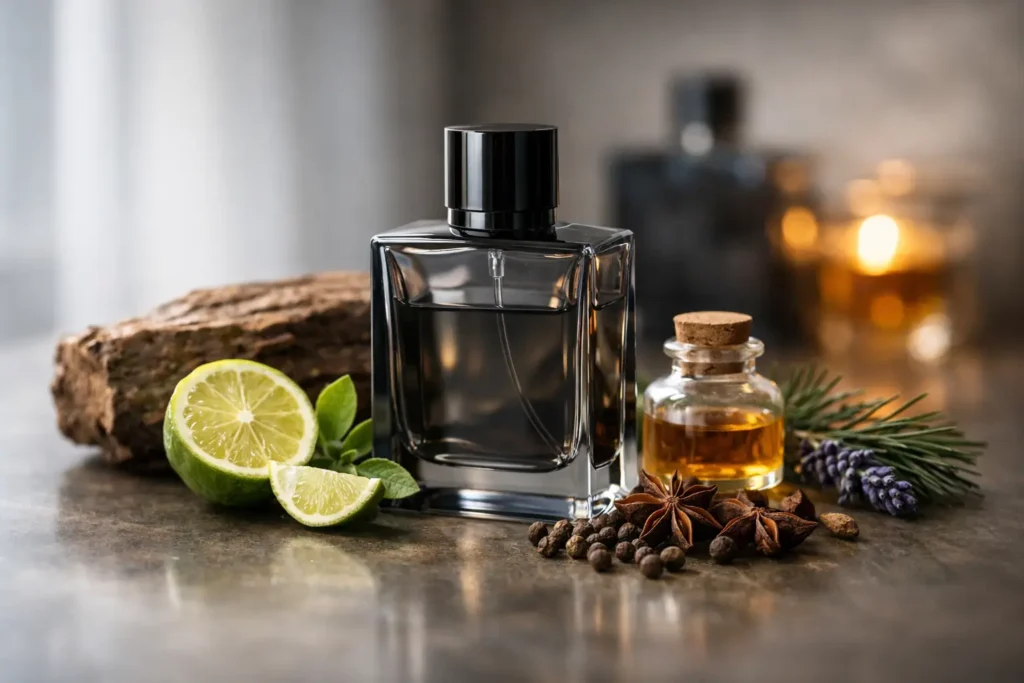
Woody fragrances tend to feel polished and grounded. Sandalwood, cedar and vetiver often give a scent structure and sophistication. Amber and oriental styles bring warmth, sweetness and depth, which can feel especially appealing in cooler weather or evening settings.
Then there are gourmand fragrances, built around edible notes such as vanilla, chocolate or caramel. These can be comforting and addictive, though for some people they feel too sweet for everyday wear. It depends on taste, setting and how much presence you want from your perfume.
The smartest route to fragrance confidence for beginners
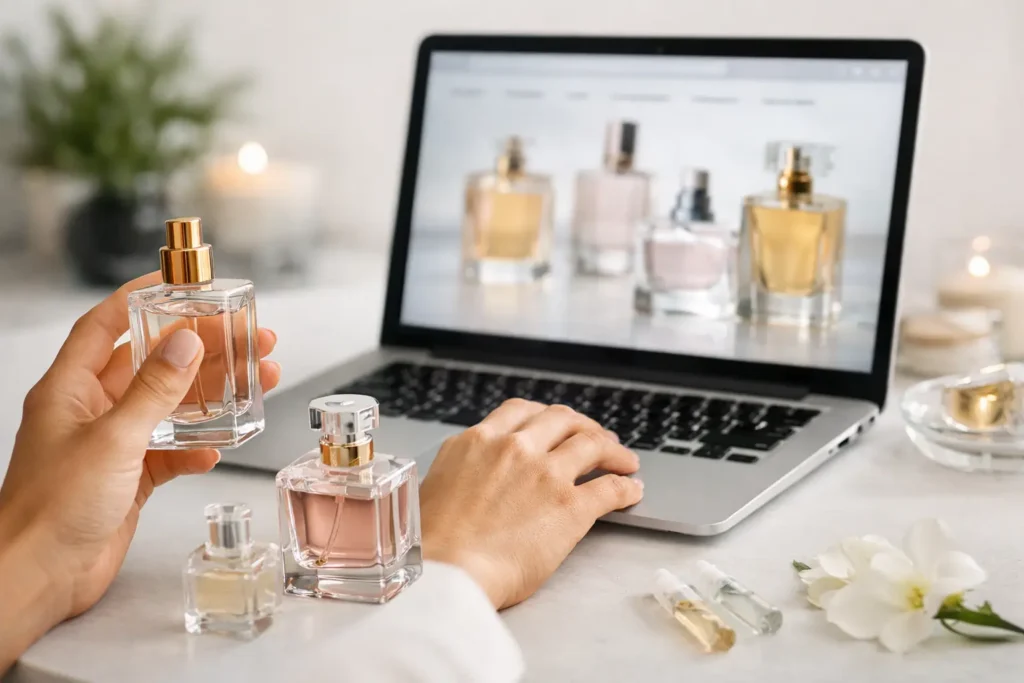
If you are new to perfume, sampling is not a small step. It is the smart step. Testing a fragrance in a smaller size lets you live with it properly. You can wear it in the morning, in the cold, on a busy commute, or before going out, and notice how it changes.
This matters because perfume is rarely static. The first spray may be sparkling and bright, then soften into florals or dry down into woods, musk or vanilla. A scent that seems too sharp at first can become beautiful after twenty minutes. Another that opens beautifully can fade into something you do not enjoy.
Sampling also removes much of the pressure from buying online. If you are drawn to perfumes inspired by familiar designer or niche scent profiles, trying a few related directions can help you understand whether you prefer fresh woods, soft florals, darker amber or sweeter blends. That kind of comparison gives clarity very quickly.
Let skin chemistry do its work
A fragrance on paper is useful, but fragrance on skin tells the truth. Body chemistry, temperature and even the weather can shift how a perfume develops. This is why a scent you admired on someone else may smell different on you.
Do not treat that as a problem. Treat it as part of the process. Spray once or twice on clean skin and give it time. Resist judging in the first minute. Walk away, let it settle, then check again after half an hour and again later in the day.
You may notice that certain notes sit especially well on you. Perhaps citrus lifts beautifully on your skin, or vanilla becomes too rich, or rose feels fresher than expected. Those patterns are useful. They turn future shopping into a much easier experience.
Choose by occasion, not just by trend
One fragrance can absolutely be enough, especially at the start. But confidence often grows when you think in terms of occasions. A fresh, easy scent for daily wear is usually the most practical first choice because it works across office days, weekend plans and casual evenings.
After that, if you want to expand, add contrast rather than repetition. If your first perfume is crisp and clean, your second might be warmer and more dressed up. If your first is sweet and enveloping, your next could be lighter and brighter.
This prevents a common beginner mistake: buying several fragrances that all smell broadly similar. Variety gives you options, and options make fragrance feel more intuitive. You begin choosing scent the same way you choose clothing, according to mood, season and setting.
Do not confuse strength with elegance
Many beginners assume stronger means better. In reality, the most confident fragrance wearers often apply with restraint. A perfume should invite notice, not demand it from across the room.
Projection, longevity and richness all have their place, particularly in evening fragrance or colder months. But there is a trade-off. The bolder the scent, the more carefully it needs to be worn. In close settings such as the office, public transport or a restaurant, subtlety usually feels more refined.
A few well-placed sprays are often enough. Neck, wrists and perhaps clothing if the fabric allows it. More than that can quickly tip from elegant to overwhelming. Quietly unforgettable is almost always more appealing than aggressively obvious.
Build a wardrobe slowly and with intention
There is no prize for owning the most bottles. A compact fragrance wardrobe is often more luxurious because every scent earns its place. Start with one perfume you can wear confidently several times a week. Then add another only when you know what is missing.
Perhaps you want something lighter for spring and summer, or something smoother and richer for evenings. Perhaps you discover that you love clean musk but want a version with more warmth. These are better reasons to buy than simply chasing novelty.
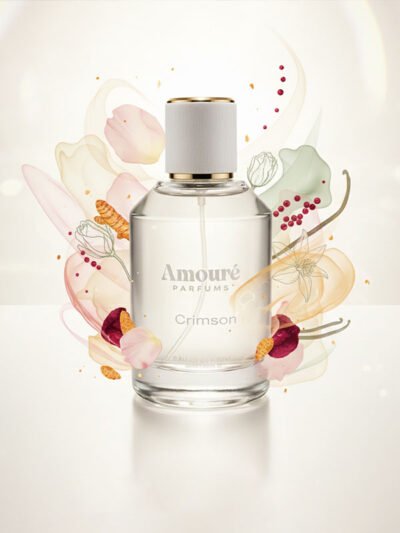
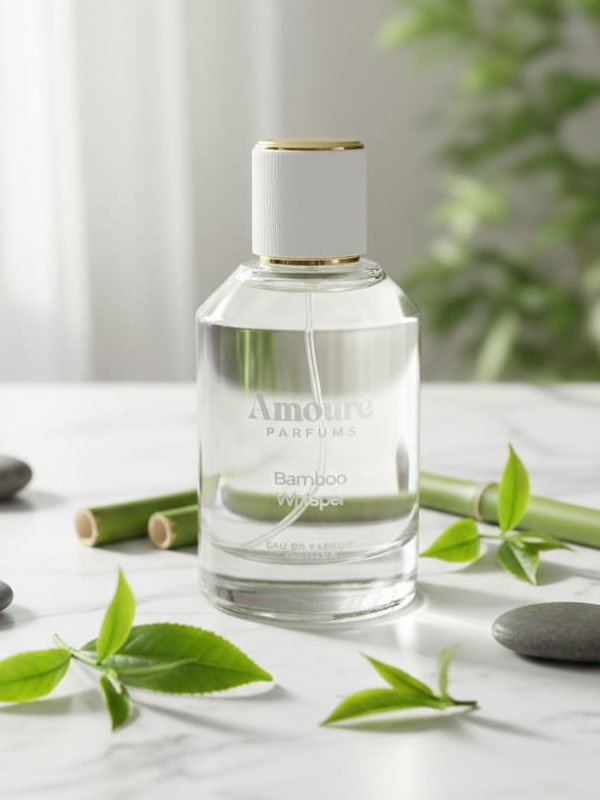
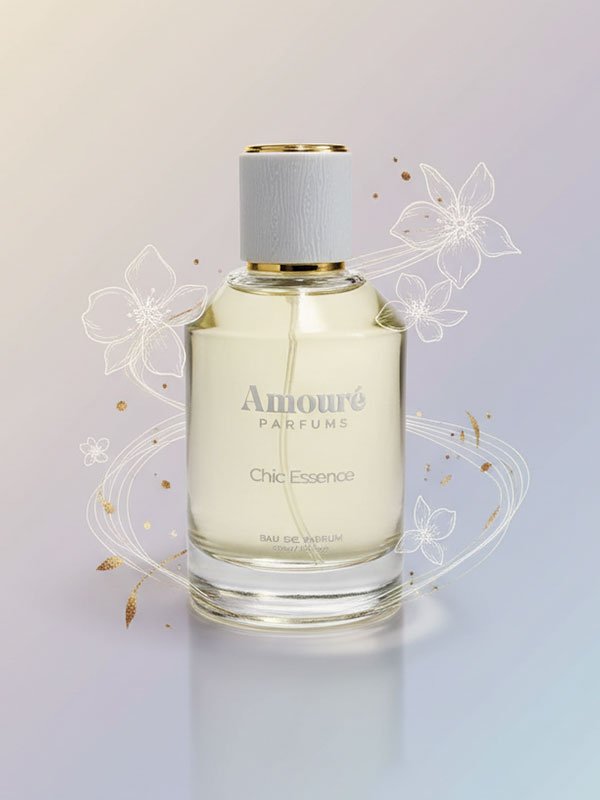
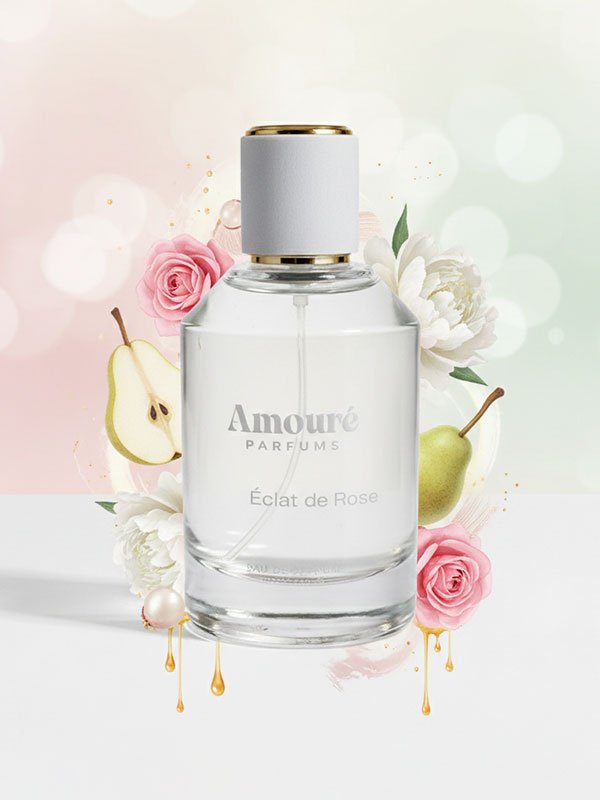
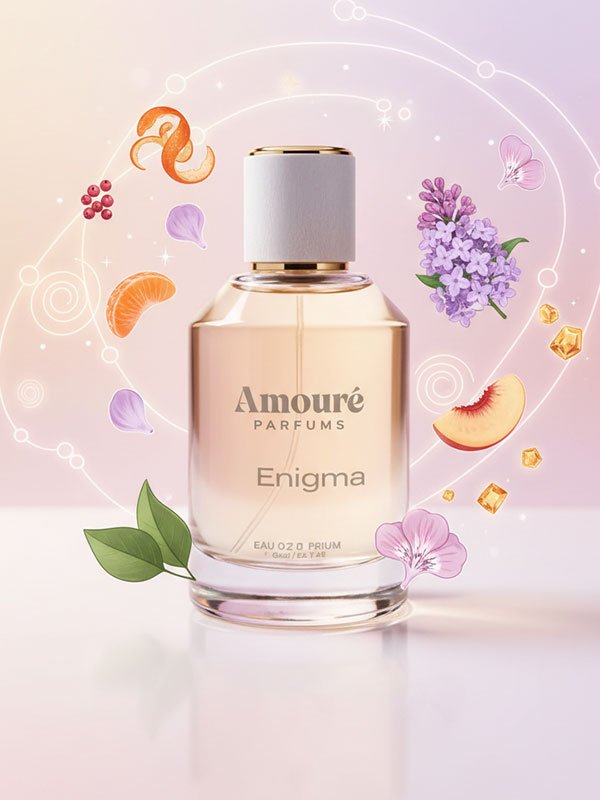
This is also where accessible luxury becomes valuable. When premium-smelling fragrance is available at a more considered price point, there is room to explore without feeling reckless. For beginners, that makes discovery far more enjoyable. Amouré Parfums understands this balance well: elegant scent profiles, easier trial, and less financial hesitation.
Trust your reaction, then refine it
You do not need a poetic vocabulary to know whether a perfume is right. Your first honest reaction is usually enough. Does it feel polished? Comforting? Attractive? Too sweet? Too sharp? Too mature? Too playful? Those instincts matter.
Over time, your preferences become more precise. You might realise you like rose when it is paired with woods, or vanilla when it is dry rather than sugary, or fresh fragrances when they have a musky base. That is how taste develops – not all at once, but through wearing, noticing and comparing.
Confidence with fragrance is less about certainty from the very beginning and more about being willing to pay attention. Once you do that, choosing perfume becomes much less intimidating and much more enjoyable.
A good scent should never make you feel as though you are trying too hard. It should feel like the final detail that brings everything together. Start simply, sample thoughtfully, and let your choices become more considered with each wear. The right fragrance does not speak over you. It makes you feel more like yourself.