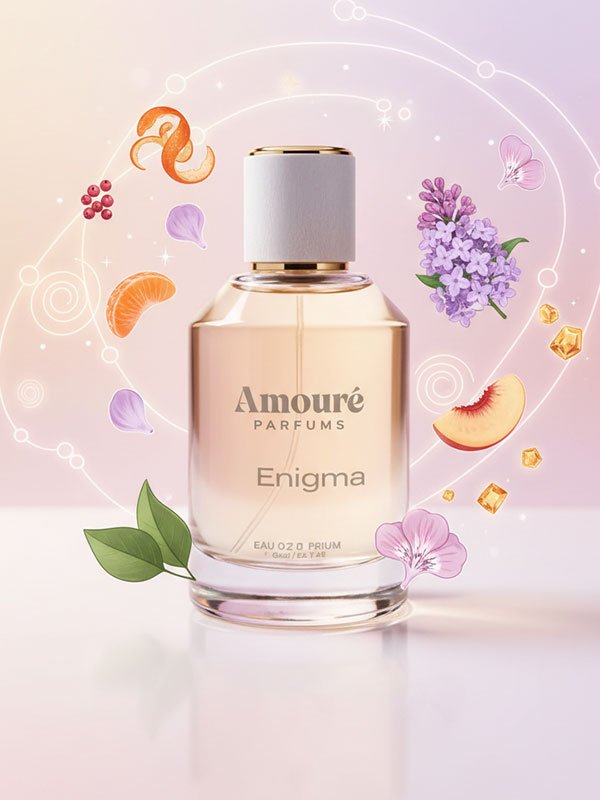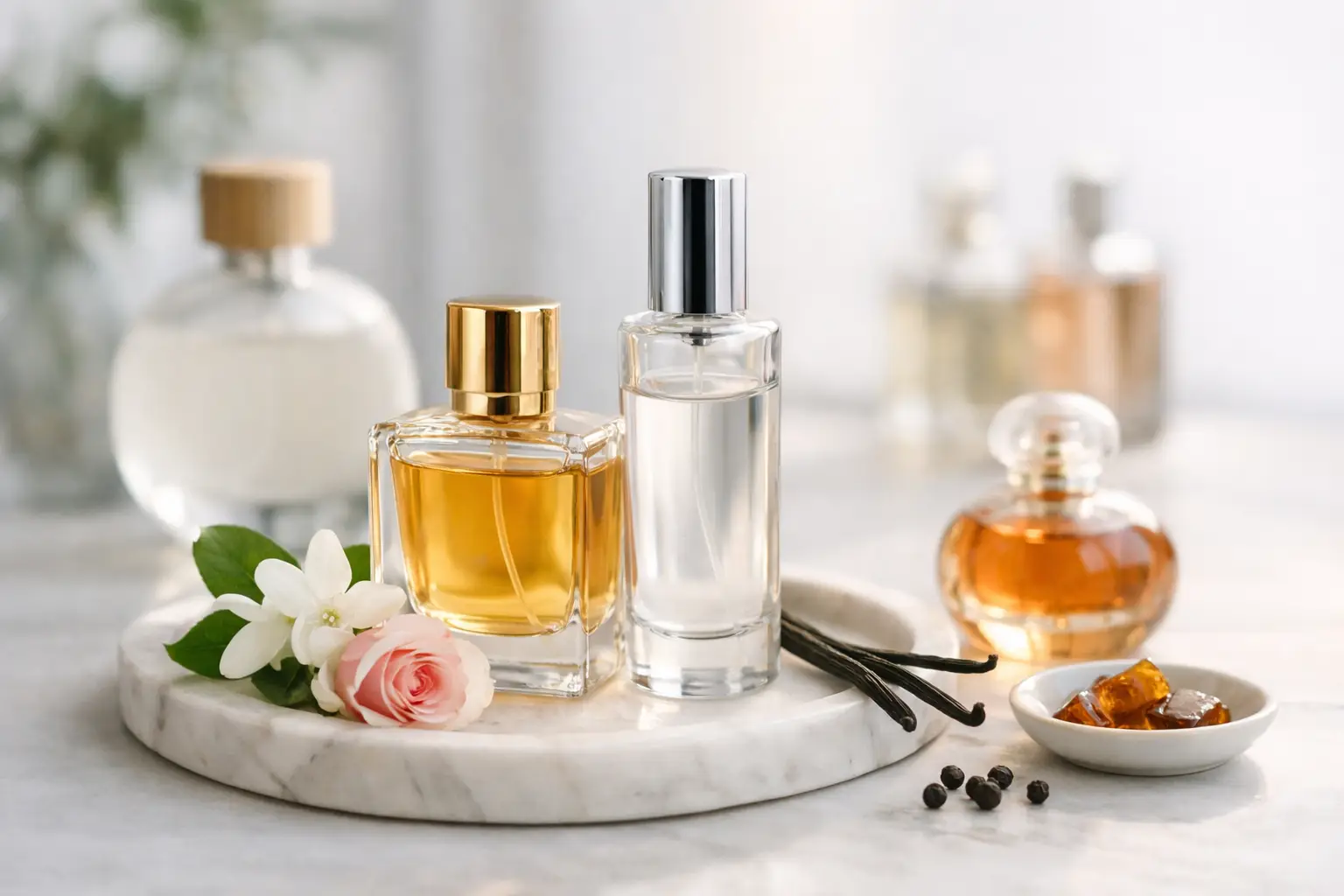
A fragrance can feel perfect on paper, then slightly too sweet, too sharp or too familiar once it is on your skin. That is where fragrance layering for beginners becomes genuinely useful. It is not about wearing as many scents as possible. It is about making a fragrance feel more personal, more balanced and more distinctly yours.
For many people, layering sounds like something reserved for collectors with crowded shelves and a trained nose. In reality, it is often the simplest way to get more from the perfumes you already enjoy. A soft musk can make a floral feel cleaner. A touch of vanilla can take the edge off dry woods. A citrus opening can brighten a heavier evening scent and make it feel more wearable in daylight.
What fragrance layering for beginners really means
At its simplest, layering means wearing two or more scented products together to create a different overall effect. That might be a perfume with a matching body lotion, or two separate fragrances applied in careful amounts. The goal is not complexity for its own sake. The goal is harmony.
This matters because perfumes do not wear in isolation. Your skin chemistry, the weather, your clothing and even the products you use after a shower can all change how a scent develops. Layering gives you some control. Instead of accepting a fragrance exactly as it is, you can soften it, sharpen it or give it more depth.
There is also a practical reason so many people start experimenting with layering. It helps bridge the gap between familiar scent profiles and personal style. If you know you like the polished warmth of amber, the brightness of bergamot or the softness of white florals, layering lets you move within that world without needing an entirely new wardrobe of perfumes.
Start with families, not formulas
The easiest way to begin is by thinking in fragrance families. You do not need to memorise every note. You only need a rough sense of whether a scent is fresh, floral, woody, gourmand, musky or oriental.
Fresh scents – citrus, green notes, light aquatics – usually add lift. Florals can add softness or elegance depending on whether they lean powdery, creamy or bright. Woods bring structure. Gourmands such as vanilla, caramel and tonka add warmth and comfort. Musk tends to smooth everything out.
When people struggle with layering, it is usually because they chase contrast too quickly. A clean citrus and a sheer musk will often sit together beautifully because they speak a similar language. A dense oud and a sugary fruit scent can work, but it is less forgiving. For a beginner, similarity is often more elegant than drama.
A useful rule is to pair one fragrance that leads and another that supports. If both are loud, rich and highly distinctive, they can compete rather than blend. If one does most of the talking and the other fills in the edges, the result feels considered.
How to layer fragrance without overdoing it
The most refined layered scents rarely smell obviously layered. They smell smooth, balanced and natural, as though the perfume came that way.
Start with the lighter fragrance first. This is usually the fresher, cleaner or more transparent scent. Apply it to pulse points and give it a few seconds to settle. Then add the deeper or sweeter fragrance more sparingly. You can apply it to the same areas if you want the notes to merge quickly, or to different pulse points if you would prefer a gentler effect.
Dosage matters more than anything else. Two sprays of one scent and one spray of another is often enough. If both fragrances are strong, even one spray each may be plenty. Layering should feel polished, not overwhelming. People should notice the impression, not the effort.
Skin preparation also makes a difference. Unscented moisturiser can help fragrance hold better and wear more evenly. If you use heavily scented body products, include them in the equation. A vanilla body cream under a rose perfume is already a form of layering, whether you meant it to be or not.
The easiest combinations to try first
If you are new to this, begin with combinations that are naturally forgiving.
Citrus and musk is one of the safest places to start. The citrus gives brightness and energy, while musk adds a clean, skin-like finish. It feels fresh, modern and easy to wear.
Floral and vanilla is another dependable pairing. Vanilla can give body to lighter florals and make them feel softer and more enveloping. The result is often romantic without becoming too sweet, provided the vanilla is used with restraint.
Woody and amber combinations tend to suit those who prefer a deeper, more evening-leaning profile. Amber adds warmth and richness, while woods stop the fragrance becoming too soft or syrupy.
A fresh aquatic with a dry woody base can also work beautifully for men and women who want something crisp but more memorable than a straightforward clean scent. It adds structure without losing ease.
If you already enjoy fragrances inspired by recognised designer or niche profiles, layering can help you shift them slightly towards your mood. A scent that feels a little too formal can be relaxed with musk or citrus. One that feels too airy can gain presence from amber or woods.
Common mistakes beginners make
The first mistake is testing too many ideas at once. If you spray three or four fragrances together, you will not know what actually worked. Begin with two and wear them properly for a day.
The second is ignoring concentration and strength. An extrait or particularly dense evening scent can dominate a lighter eau de parfum. In those cases, less is more. Sometimes one spray of the stronger fragrance under two sprays of the lighter one is enough.
Another mistake is judging too early. A layered fragrance can smell disjointed in the first few minutes, then settle into something far more beautiful after half an hour. Top notes move quickly. The true blend often reveals itself in the dry down.
There is also the question of season. Not every successful pairing works all year. Creamy vanilla and smoky woods may feel elegant in autumn, but too heavy in a warm British summer spell. Citrus, neroli and soft musks tend to feel easier in heat, while amber, spice and resin come into their own in colder weather.
How to build confidence with samples
Sampling is the smartest way to learn your taste. It keeps the process focused and lets you test combinations without committing to full bottles too soon. This is especially useful if you enjoy prestige-inspired scent profiles but want to explore them in a more approachable, wearable way.
Try wearing one fragrance alone first, then note what you would change. Do you want it softer, warmer, cleaner or longer-lasting? That answer tells you what kind of second fragrance to introduce. If a floral feels too bright, add musk or vanilla. If a woody scent feels too dry, a touch of amber may round it out.
This approach is more useful than following rigid layering rules because fragrance is personal. The same pairing can smell airy and refined on one person, dense and sweet on another. Testing on skin is always more revealing than judging from a bottle or a paper strip.
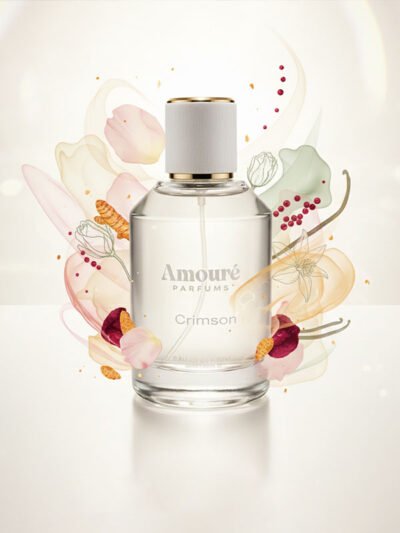
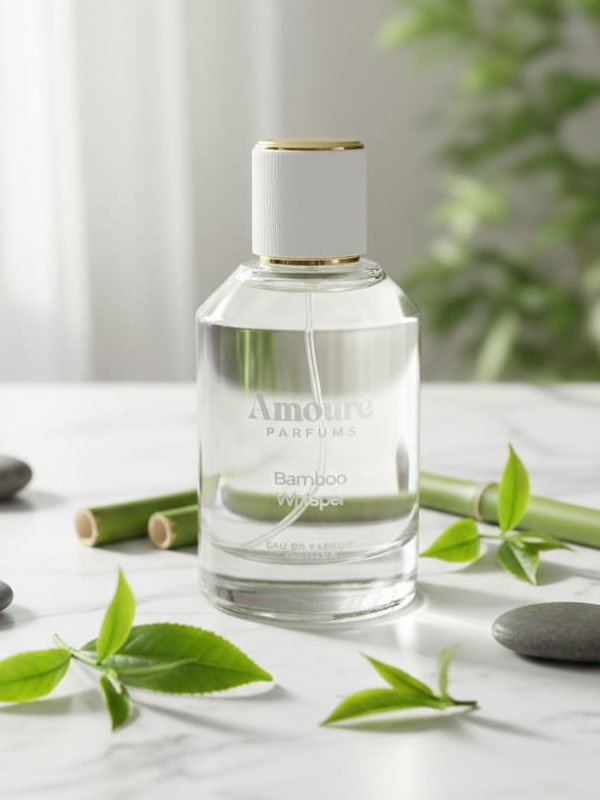
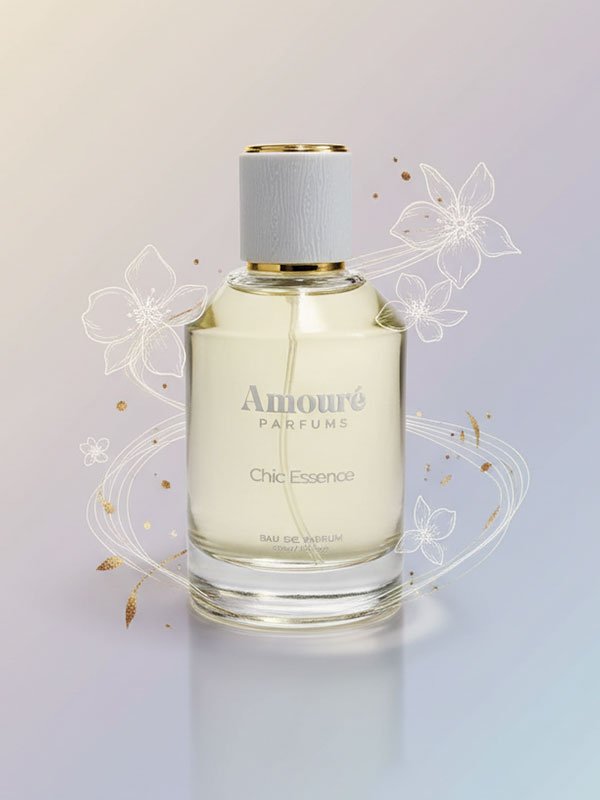
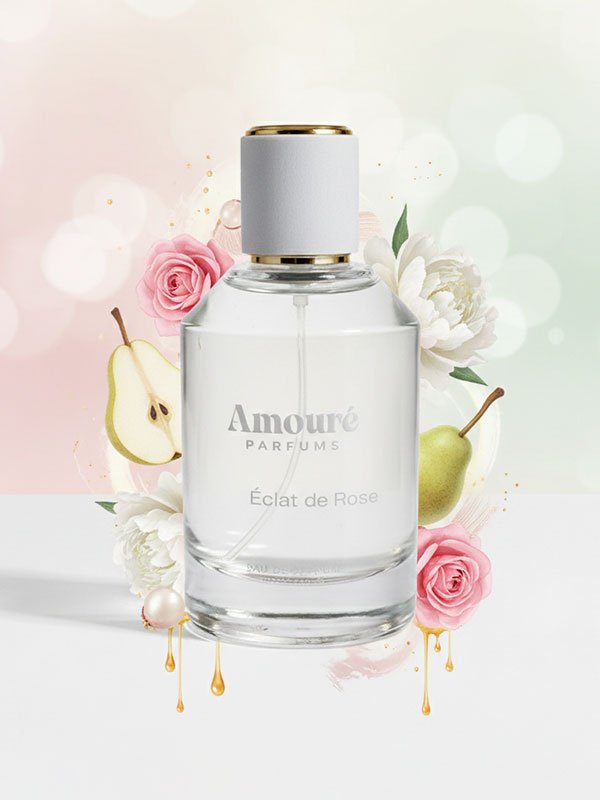
For shoppers who want an elegant scent wardrobe without overspending, this is where layering becomes especially appealing. A small, curated collection can create far more variety than people expect. At Amouré Parfums, that idea sits naturally with the way many customers already shop – choosing familiar scent directions, trying samples first and building a wardrobe that feels luxurious without unnecessary expense.
When not to layer
Some fragrances are already beautifully complete. If a perfume has a very intricate structure, with a dramatic opening and a detailed dry down, layering may blur what makes it special. There is no virtue in changing a fragrance that already sits perfectly on your skin.
It is also worth being selective for formal settings. In close environments such as offices, trains or dinner tables, projection matters. A layered scent should sit close enough to feel refined. If you are unsure, scale back rather than add more.
The best sign that layering is working is simple. You smell put together. Not louder, not busier, just more considered. That is often the difference between wearing fragrance and wearing it well.
A good layered scent should feel like the finishing touch to personal style, in the same way as jewellery, fabric or colour. Start softly, trust your nose and let preference lead over rules. The most memorable fragrance is rarely the most complicated one. It is the one that feels entirely at home on you.