A year in fragrance is rarely defined by one note. It is defined by mood. And fragrance trends 2026 are already pointing towards something clear – people still want presence, but they want it delivered with more taste, more flexibility and less excess.
For UK fragrance buyers, that shift matters. The old split between everyday perfume and special-occasion perfume is softening. Shoppers are looking for scents that feel polished at 9am, distinctive at dinner and elegant enough to gift without second-guessing. Price remains part of the conversation, but not in a bargain-bin sense. What people want is value with style – fragrance that feels expensive, wears beautifully and suits modern life.
Fragrance trends 2026 are moving towards polished wearability
The biggest change is not that bold perfumes are disappearing. They are simply becoming more refined. In recent years, strong projection and instantly recognisable accords dominated much of the market. In 2026, the preference is likely to lean towards perfumes that leave an impression without feeling overworked.
That means compositions with texture rather than noise. Think creamy woods instead of harsh smoke, soft amber instead of syrupy sweetness, and musks that sit close to the skin while still giving a clean, memorable trail. For many wearers, this feels more luxurious. A fragrance does not need to announce itself across the room to feel expensive.
This is especially relevant for customers buying online. When a scent profile sounds balanced and wearable, the perceived risk of trying it drops. Perfumes that can move easily from office to evening, from weekday to weekend, will continue to outperform more difficult, highly specific styles.
Skin scents will become more sophisticated
Skin scents have been building for some time, but in 2026 they are expected to feel less minimal and more styled. Rather than disappearing into the background, the best skin scents will create a polished aura – soft musks, airy ambers, warm cashmere woods and lightly creamy florals that smell intimate rather than plain.
There is a reason this category keeps growing. It suits the way many people now wear perfume. Not everyone wants a heavy signature every day. Sometimes the appeal is a fragrance that feels clean, expensive and quietly addictive, particularly for work, travel or close settings.
That said, skin scents are not one-size-fits-all. On some skin they bloom beautifully; on others they can fade quickly. This is where sampling becomes more valuable. A subtle fragrance can be exceptional, but only if it suits your chemistry and expectations.
Sweet notes are staying, but with more restraint
Gourmand perfumes are not going anywhere. Vanilla, tonka, cacao and sugared woods still have enormous appeal. The difference is that the market is becoming more selective. In 2026, sweeter fragrances are likely to lean smoother, darker and more tailored rather than overtly sugary.
Vanilla will remain central, but it will appear in more nuanced forms – smoked vanilla, airy vanilla, woody vanilla and vanilla wrapped in incense or saffron. This matters because many fragrance buyers now want sweetness that feels grown-up. They want comfort, but they also want shape and elegance.
For women, this may show up in creamy florals and ambered vanillas that feel sensual but clean. For men, sweet profiles are increasingly blending into woods, leather and spices, creating fragrances that feel modern rather than overly traditional. The line between masculine and feminine taste is becoming less rigid, and brands that recognise that tend to feel more current.
Woods, spice and resin are gaining depth
If there is one family set to feel especially relevant in fragrance trends 2026, it is the warmer side of the fragrance wardrobe. Woods are evolving beyond dry cedar or blunt oud into smoother, more dimensional territory. Sandalwood, cashmeran, guaiac wood and resinous amber notes are likely to feel especially strong.
This does not mean every scent will turn heavy. Quite the opposite. Many of the most appealing woody perfumes now use contrast well – a bright top, a clean heart and a warm base that lingers. That structure gives richness without making the fragrance feel dense.
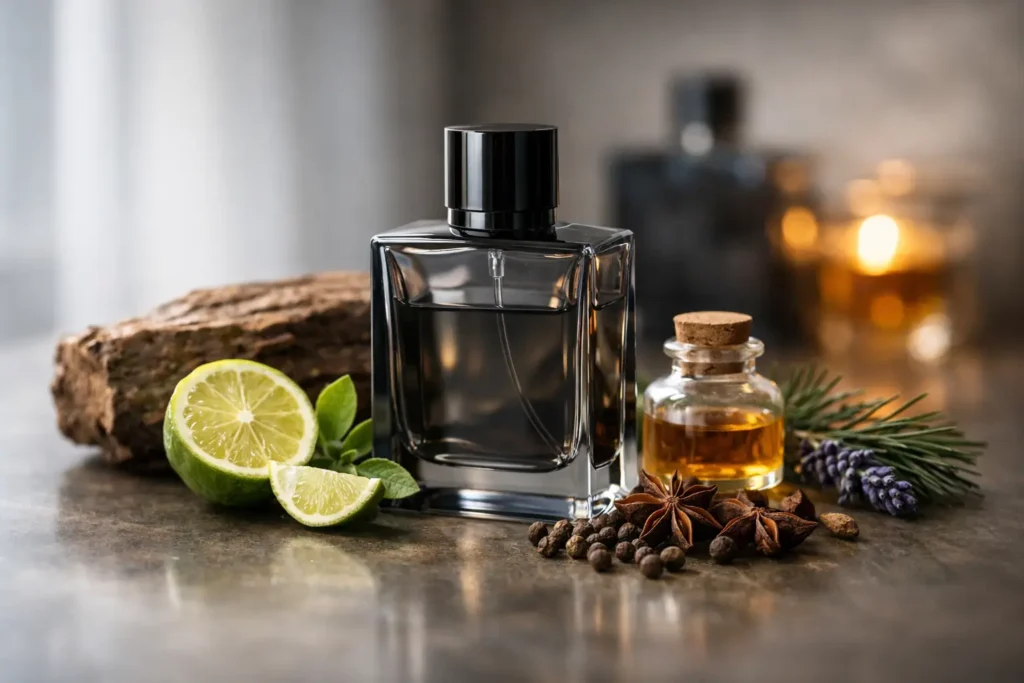
Spice is also becoming more refined. Instead of aggressively peppery openings, expect more cardamom, pink pepper, saffron, cinnamon and aromatic spice used to create lift and polish. These notes help a fragrance feel styled. They add sophistication without overwhelming the rest of the composition.
For shoppers drawn to designer and niche-inspired profiles, this is good news. Some of the most sought-after perfumes in recent years have combined smooth woods, amber and spice in a way that feels expensive and memorable. That appetite is not fading.
Florals are turning cleaner and creamier
Floral fragrances in 2026 are less likely to rely on powdery, old-fashioned structures and more likely to focus on freshness with softness. White florals, rose, orange blossom and iris remain relevant, but they are often paired with musks, soft woods and gentle sweetness to feel more contemporary.
The result is a floral profile that wears beautifully day to night. Clean rose with amber can feel chic rather than formal. Creamy jasmine with woods can feel sensual rather than loud. Iris with musk can feel tailored, almost like a crisp shirt translated into scent.
This shift suits buyers who want femininity without excess. It also opens the door to gifting. A well-balanced floral is often easier to choose confidently than something highly experimental.
Layering will become part of how people shop
One of the more practical fragrance trends 2026 is not about a single note at all. It is about behaviour. More customers are thinking in terms of fragrance wardrobes rather than one signature scent for every occasion.
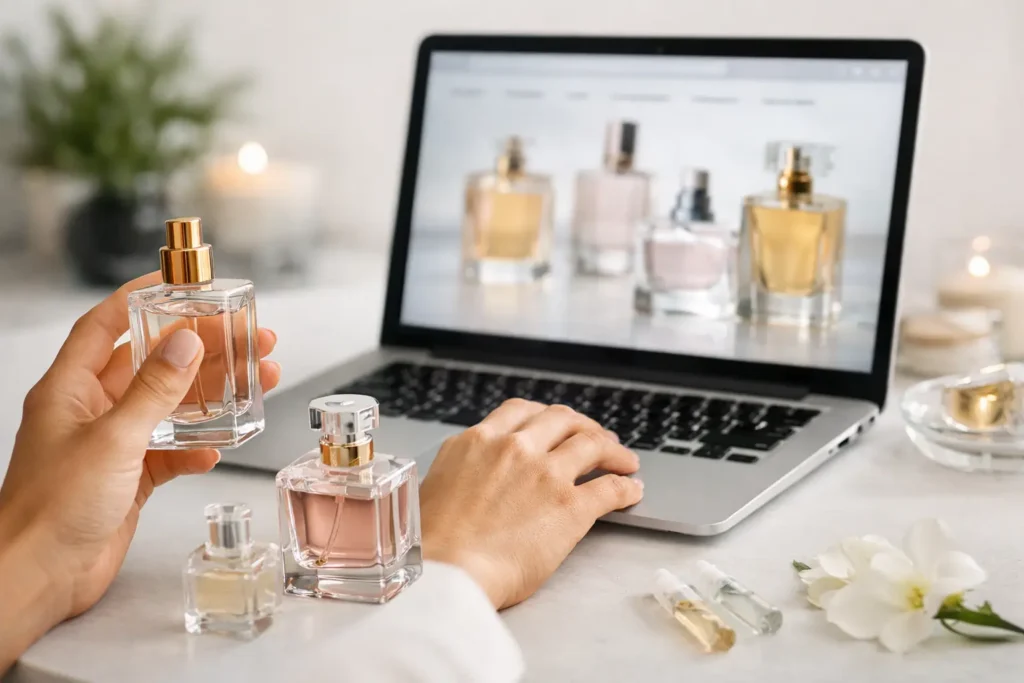
That does not always mean owning dozens of perfumes. It often means having a few reliable options: something fresh and clean, something warm and evening-ready, and something versatile enough to layer. This is where samples and discovery formats become particularly useful. They let buyers test not just whether they like a scent, but how it fits around what they already wear.
Layering itself is becoming more intuitive. A musk-based fragrance can soften a woody scent. A vanilla can add warmth to a floral. A bright citrus can lift a resinous evening perfume. The appeal is simple – more personalisation, less commitment.
There is a trade-off, of course. Not every fragrance layers well. Some perfumes are already complete and can become muddled when combined. But the wider consumer mindset is changing. People want flexibility, and fragrance that supports that feels modern.
Affordable luxury will matter more, not less
Rising designer fragrance prices have changed how people buy. Many shoppers still admire prestige scent profiles, but they are less interested in paying for branding alone. In 2026, that gap between aspiration and value will continue to shape the market.
This is where affordable luxury becomes more than a pricing strategy. It becomes part of the fragrance experience itself. Customers want elegant packaging, strong performance, recognisable scent families and an easy path to discovery. They are not simply asking whether a perfume is cheap. They are asking whether it feels worth wearing.
That distinction matters. A fragrance can be accessibly priced and still feel refined, giftable and stylish. For brands such as Amouré Parfums, that position fits the moment well. Today’s buyer is informed. They know the references, they understand scent categories and they want to spend well rather than spend blindly.
What this means for choosing your next fragrance
If you are shopping with 2026 in mind, the smartest approach is not to chase novelty for its own sake. Look for a scent profile that reflects how you actually live. A softly woody musk may serve you better than a dramatic statement fragrance you only wear twice. A smooth vanilla-amber may feel more luxurious long-term than a sweeter trend piece that dates quickly.
It also helps to think in terms of finish. Do you want your fragrance to feel crisp, creamy, smoky, airy or warm? That language often tells you more than broad labels like floral or oriental ever did. The most relevant perfumes now are often the ones that strike balance – noticeable but not tiring, elegant but not aloof, modern but still timeless.
And if you are unsure, start smaller. Sampling is not hesitation. It is good taste. The best fragrance choices are rarely the loudest or most expensive. More often, they are the ones you keep reaching for without thinking – the scents that become part of your style because they simply feel right.
The fragrances that will matter in 2026 are not trying too hard. They are composed, flattering and quietly unforgettable. Choose one that feels like you, only sharper.