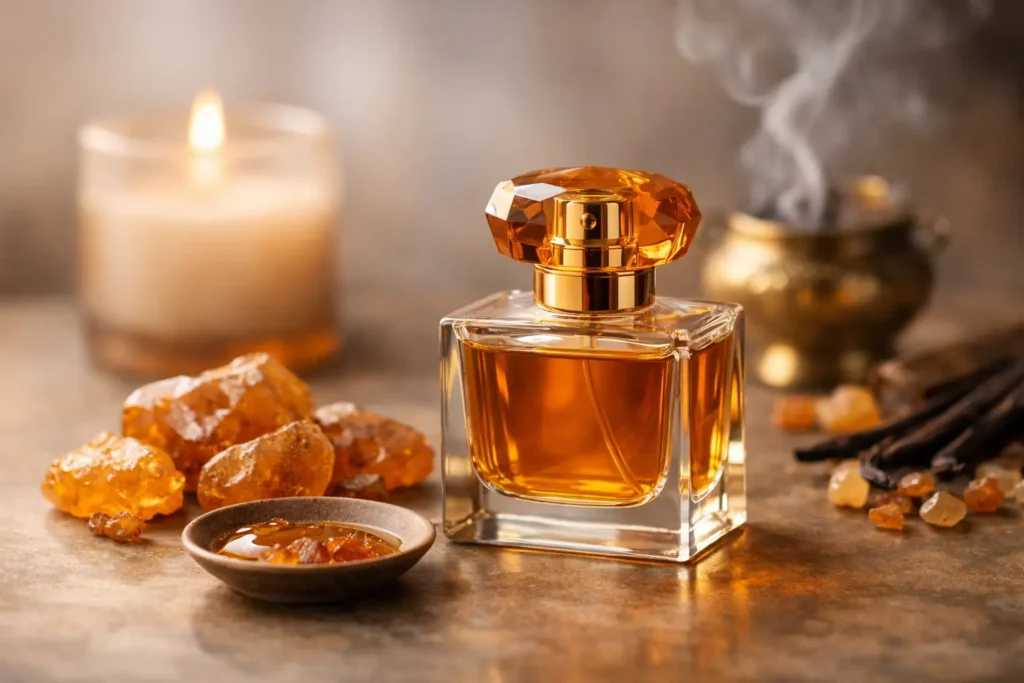
You spray a fragrance in the morning, enjoy it for an hour, then wonder where it went by lunch. Or you try another that still lingers on your coat days later. The difference is often not the scent family at all – it is concentration. This guide to perfume concentration will help you understand what those labels really mean, how they wear on skin, and which strength is worth choosing for your routine.
Perfume concentration refers to the percentage of aromatic oils in a fragrance blend. In simple terms, the higher the concentration, the richer and longer-lasting the scent tends to be. But that does not automatically make it better. A lighter concentration can feel fresher, easier and more appropriate for daytime, while a stronger one can create more depth, projection and presence.
That is where shoppers often get caught out. Many assume Eau de Parfum is always superior to Eau de Toilette, or that stronger means more luxurious. In reality, each concentration has its place. The right choice depends on your taste, your budget, the occasion and even how your skin holds fragrance.
What perfume concentration actually means
Every fragrance is made from a balance of perfume oils, alcohol and sometimes water. The concentration tells you how much of the formula is made up of those scented oils. Higher oil content usually means a fuller scent trail, greater staying power and a slower reveal from top notes into the heart and base.
It also affects character. A citrus fragrance in a lighter concentration may feel sparkling and brisk, while the same profile in a stronger concentration can feel smoother, warmer and more rounded. So concentration does not only change longevity – it can subtly change the entire wearing experience.
Guide to perfume concentration levels
There is no single legal standard that every brand follows to the decimal point, but most fragrance categories sit within familiar ranges.
Parfum
Parfum, sometimes called Extrait de Parfum, is usually the most concentrated format. It often sits around 20 to 30 per cent perfume oil, and occasionally higher. This tends to give it the best longevity, often six to eight hours or more, sometimes much longer on fabric.
Parfum usually wears close to the skin compared with what people expect. It can be intense in richness, but not always loud. If you like a scent that feels polished, smooth and enduring rather than sharp or airy, this concentration often appeals.
Eau de Parfum
Eau de Parfum, or EDP, typically falls around 15 to 20 per cent oil. For many people, this is the sweet spot. It offers noticeable presence and strong wear time, but still feels versatile enough for everyday use.
This is one of the most popular concentrations because it balances value and performance well. If you want a fragrance that can take you from the office to dinner without constant reapplication, Eau de Parfum is often the safest choice.
Eau de Toilette
Eau de Toilette, or EDT, usually contains around 5 to 15 per cent perfume oil. It is often lighter, brighter and more immediate in its opening. You may notice the top notes more clearly, especially with fresh, green or citrus-led compositions.
EDT can be ideal if you prefer a cleaner, more effortless style of fragrance. It is also a sensible option for warmer weather, close office settings or anyone who finds heavier scents overwhelming.
Eau de Cologne and lighter formats
Eau de Cologne traditionally sits at around 2 to 5 per cent oil. These fragrances are generally short-lived but refreshing, crisp and easy to wear. They suit a quick uplift rather than an all-day signature.
Body mists and splash-style scents sit lower still. They are enjoyable, casual and often budget-friendly, though you should not expect serious longevity.
Why concentration affects more than longevity
A common mistake in any guide to perfume concentration is reducing the subject to one question: how long does it last? Longevity matters, of course, but concentration also changes projection, texture and mood.
A higher concentration can soften the sharp edge of alcohol and let deeper notes take the lead earlier. Woods, amber, musk, vanilla and resinous accords often feel richer and more enveloping in Eau de Parfum or Parfum. Lower concentrations can let sparkling top notes shine, which is why many fresh fragrances feel especially lively as EDTs.
Then there is projection. Some strong concentrations radiate beautifully, while others stay elegant and close. Some lighter scents project well at first and then fade quickly. Formula, ingredients and style all matter alongside concentration. That is why two fragrances with the same label can behave very differently.
How long each concentration tends to last
There are useful patterns, but no promise. On average, Eau de Cologne may last one to three hours, Eau de Toilette around three to five, Eau de Parfum five to eight, and Parfum longer still. Those are rough guides rather than guarantees.
Skin chemistry changes everything. Dry skin often absorbs fragrance more quickly, while moisturised skin can help scent last longer. Weather matters too. Heat can make a fragrance bloom fast and disappear sooner, while cooler air may slow its development. Fabric usually holds scent longer than skin, but it can also emphasise certain notes differently.
If a fragrance seems faint on you, it is not always because the concentration is too low. You may simply be going nose-blind to it after repeated exposure. Meanwhile, people around you can still smell it clearly.
Which concentration should you buy?
The best choice depends on how you want your fragrance to behave.
If you want an everyday signature with reliable wear, Eau de Parfum is often the most practical choice. It feels elevated, usually lasts well, and suits both daytime and evening. For many shoppers, it offers the best balance of sophistication and value.
If you prefer something lighter, cleaner or more casual, Eau de Toilette may suit you better. It can feel less formal and easier to reapply. This is especially true for fresh florals, aromatic scents and bright citrus compositions that are meant to feel effortless rather than dense.
If you want depth for evenings, events or colder months, Parfum can be a beautiful option. It often feels more intimate and luxurious, though it can also cost more and may be too rich for those who favour airy fragrances.
For gifting, concentration matters as much as scent style. A well-chosen Eau de Parfum usually feels like the safest premium option. It offers presence without requiring the wearer to enjoy a particularly heavy fragrance wardrobe.
The price question
Higher concentration often means a higher price, because more aromatic material is used. But price per bottle does not always tell the full story. A stronger fragrance may require fewer sprays, which can make it better value over time.
That said, there is no point paying more for intensity you do not actually enjoy. If you love light, fresh scents and happy reapplication, an EDT may be the wiser buy. Luxury in fragrance is not about choosing the strongest bottle on the shelf. It is about choosing the one that fits your style naturally.
How to test concentration properly
Try fragrance on skin rather than relying only on the first spray in the air or on paper. The opening tells you very little about how concentration will feel after an hour or two. Let it settle.
Pay attention to the stages. Does it vanish quickly, or become softer and more interesting? Does it stay crisp, or turn warm and creamy? If possible, test it across a full day. This is especially useful when choosing between lighter and richer formats.
Samples are valuable here. They remove much of the guesswork and help you compare wear in your own routine, whether that means commuting, office hours or an evening out.
A few myths worth ignoring
Stronger does not always mean better. Sometimes it means denser, sweeter or heavier than you want.
Eau de Toilette is not a lower-quality perfume. It is simply a different style of concentration, often chosen deliberately to highlight freshness and ease.
And concentration alone does not decide whether a fragrance is masculine, feminine, modern or expensive-smelling. The composition does that. A refined scent can feel elegant at any strength when the formula is well judged.
Fragrance should feel like part of your presence, not a technical decision dressed up as one. If you are choosing between concentrations, think about how you want to wear your scent rather than which label sounds grander. The right bottle is the one that feels effortless on your skin, suits your day, and leaves exactly the impression you intended.