Some perfumes announce themselves the moment they enter a room. Others stay closer, felt rather than broadcast. That contrast sits at the heart of niche fragrance vs designer, and it is often where fragrance buyers start to understand what truly suits their style.
For some, a polished, recognisable scent is exactly the point. For others, the appeal lies in wearing something less familiar, more individual, perhaps even a little unexpected. Neither approach is better by default. The right choice depends on how you want your fragrance to feel, how often you plan to wear it, and how much you want to spend.
What niche fragrance vs designer really means
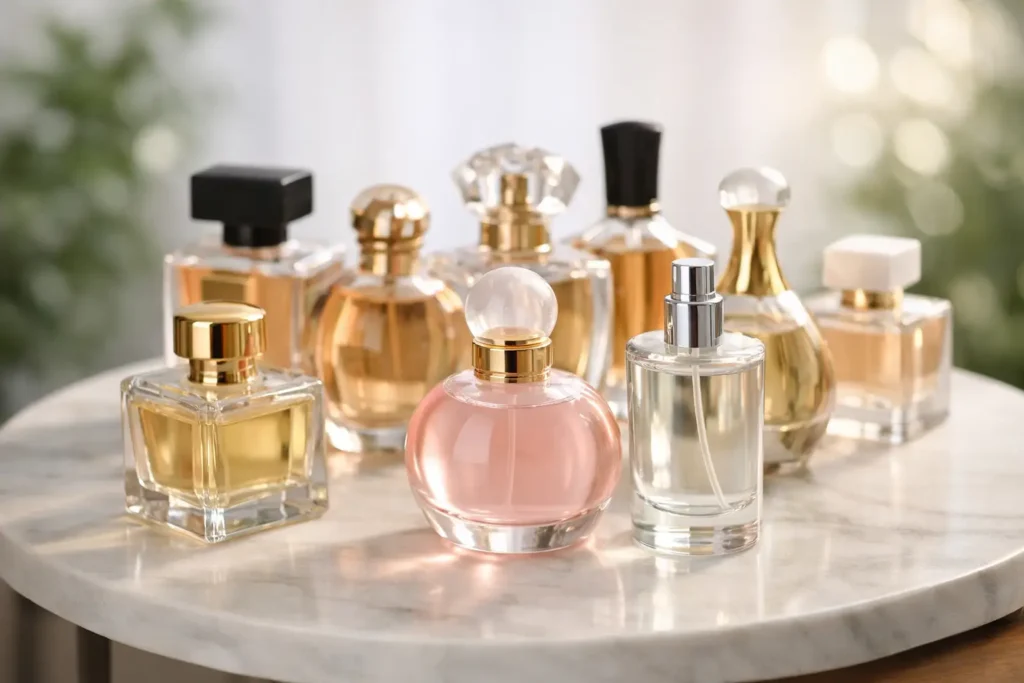
Designer fragrances usually come from fashion houses and global beauty brands. Think of names known for clothing, accessories and cosmetics as much as perfume. Their fragrances are typically created for broad appeal, with smooth composition, strong branding and an easy-to-wear profile that suits a wide audience.
Niche fragrances come from perfume-led houses. These brands are built around scent first, rather than fashion collections or cosmetics counters. They often place greater emphasis on unusual note combinations, distinct signatures and creative direction. In many cases, niche perfume is designed to stand apart rather than please everyone.
That distinction matters, but it is not absolute. Some designer scents are surprisingly daring. Some niche releases are very approachable. The label on the bottle does not always tell you how original, luxurious or wearable a perfume will be.
Scent profile: familiarity or distinction?
The clearest difference between designer and niche is often the way the fragrance develops on skin. Designer scents are more likely to lean into familiar structures – fresh citrus, clean woods, warm vanilla, soft florals, modern amber. They are usually composed to be instantly likeable, which is exactly why many become bestsellers.
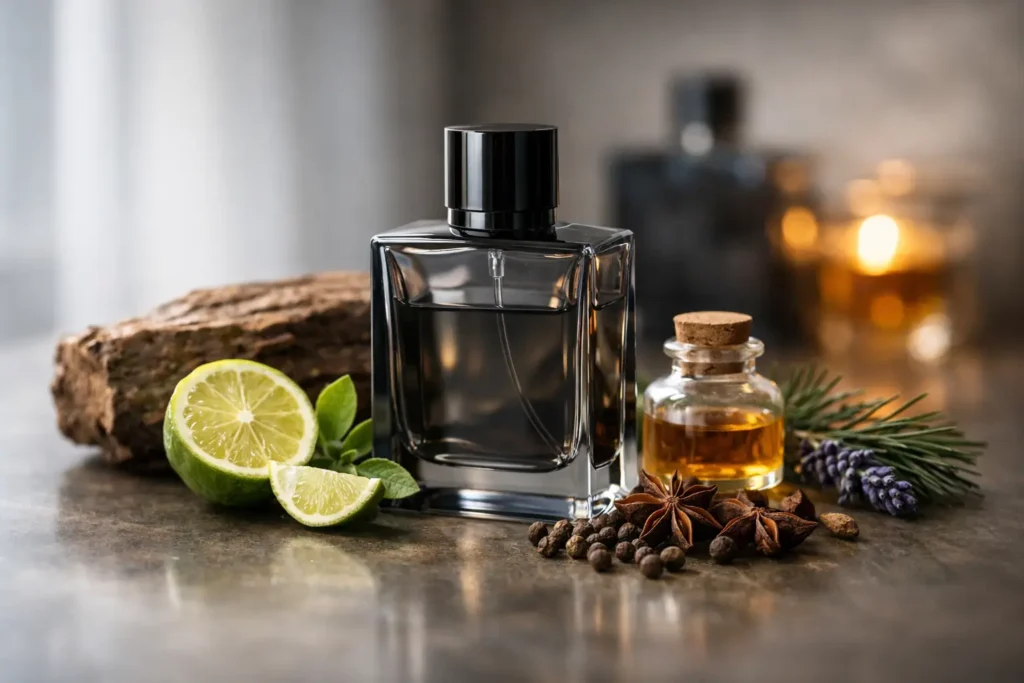
Niche fragrances tend to take more creative risks. You may find smoke where you expected sweetness, leather where you expected softness, or a mineral, medicinal or green edge that changes the entire mood. This can make niche perfume feel more personal and memorable, but it can also make it less straightforward at first wear.
If you want compliments in an office, at dinner or on a casual evening out, a designer-style scent often feels effortless. If you want something that reflects a specific mood, leaves a more individual impression or feels less widely worn, niche may be more appealing.
Price is part of the story, but not all of it
Many people assume niche automatically means better because it costs more. In practice, price reflects branding, production scale, ingredients, distribution and positioning, not just quality.
Designer fragrances are often expensive at retail, but they benefit from broader production and stronger mainstream demand. Niche perfumes are frequently priced higher because they are produced in smaller volumes and positioned as more exclusive. That exclusivity can be part of the attraction, but it does not guarantee that every wearer will enjoy the scent more.
This is where value becomes more interesting than price alone. If a fragrance gives you the character, elegance and performance you want, then it earns its place whether it sits under a designer label or a niche one. For many shoppers, especially those who love luxury scent profiles but prefer a more considered spend, the smartest route is not chasing the most expensive bottle. It is finding a fragrance style that genuinely suits them.
Performance: niche is not always stronger
There is a common belief that niche scents always last longer and project more. Sometimes they do. Sometimes they do not.
Performance depends on concentration, ingredients, formulation and skin chemistry. A designer eau de parfum can easily outlast a far more expensive niche fragrance. Equally, some niche perfumes are deliberately composed to stay close to the skin, creating intimacy rather than impact.
It helps to separate two things: longevity and presence. Longevity is how long the scent remains noticeable. Presence is how far it travels. Some people want both. Others prefer a fragrance that stays elegant and restrained. For daily wear, a smoother designer scent may feel more practical. For evenings, cooler weather or statement dressing, a richer niche profile may offer more depth.
Wearability matters more than status
A fragrance can be beautifully made and still wrong for your routine. This is one of the most useful ways to think about niche fragrance vs designer.
If you need a perfume for work, travel, family occasions and everyday confidence, designer styles often win because they are versatile. They tend to be balanced, polished and easy to revisit. You do not have to think too hard before reaching for them.
Niche fragrances can be more situational. That is not a weakness. It simply means they may suit a mood, outfit, season or evening plan rather than every hour of every week. Some fragrance lovers enjoy building a wardrobe around exactly that idea – one scent for sharp tailoring, another for winter dinners, another for late summer weekends.
If you are buying one bottle and want maximum flexibility, designer is often the safer choice. If you already know your preferences and enjoy variety, niche can be more rewarding.
Why many buyers start with designer and grow into niche
There is a reason so many fragrance wardrobes begin with designer names. They are accessible, recognisable and easier to understand. Notes are often presented in a familiar way, and the overall composition tends to be more immediately pleasing.
Niche often becomes more attractive once someone has worn fragrance for a while and wants something less expected. After you have tried several fresh woods, ambers or sweet florals, you may begin to notice patterns in your taste. From there, you might want more texture, more contrast or a signature that feels a little less common.
That journey does not mean you outgrow designer perfume. Many people wear both. A refined designer scent for everyday ease and a more unusual niche option for evenings is a sensible balance, not a compromise.
How to choose without overthinking it
The best way to choose is not by category alone. It is by asking a few simple questions about what you actually want from the bottle.
If you want easy wear, broad appeal and dependable versatility, designer is usually the better starting point. If you want creativity, character and a scent that feels more individual, niche may be worth exploring.
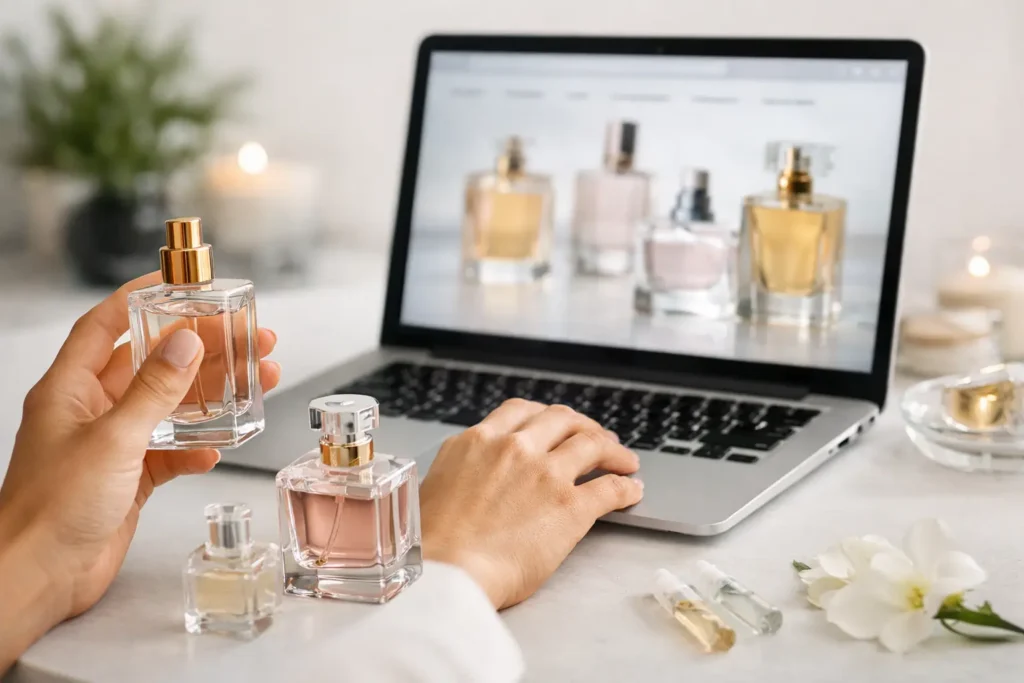
If budget matters, that should not be treated as a lesser consideration. It is a practical one. Luxury fragrance has become expensive, and paying more does not always bring more enjoyment. Sampling is often the smartest step, especially if you are curious about profiles inspired by well-known designer and niche favourites. It reduces the guesswork and lets you experience how a scent behaves on your skin before committing to a full bottle.
This is also why comparison-based fragrance shopping has become so useful. When you already know the styles you enjoy, whether they lean designer or niche, it becomes much easier to discover alternatives with a similar mood. For shoppers who want elegant, high-impact scents without traditional luxury pricing, that approach makes fragrance feel less intimidating and far more enjoyable.
Niche fragrance vs designer for gifting
If you are buying for someone else, the decision shifts slightly. A designer-style fragrance is usually the safer gift because it is more likely to suit different tastes and settings. It feels familiar, wearable and easy to appreciate.
A niche-style fragrance can be a beautiful gift for someone who already loves perfume and enjoys trying something less obvious. But if you are unsure of their preferences, highly distinctive scents can be riskier. This is where sample options and curated discovery sets can make gifting more thoughtful without becoming complicated.
There is no hierarchy, only preference
Fragrance culture can sometimes make niche perfume sound like the enlightened choice and designer perfume the obvious one. That view misses the point. The best fragrance is the one you want to wear again tomorrow.
A beautifully composed designer scent can feel timeless, confident and quietly unforgettable. A striking niche fragrance can feel artistic, intimate and deeply personal. Both have their place. Both can be luxurious. Both can become part of your signature.
The real question is not which category is superior. It is whether you want familiarity or distinction, flexibility or statement, ease or experimentation. Once you know that, the right bottle becomes much easier to spot.
If your taste sits somewhere between the two, that is often where the most interesting choices begin – sophisticated scents with a recognisable elegance, worn with the confidence of something a little more individual.